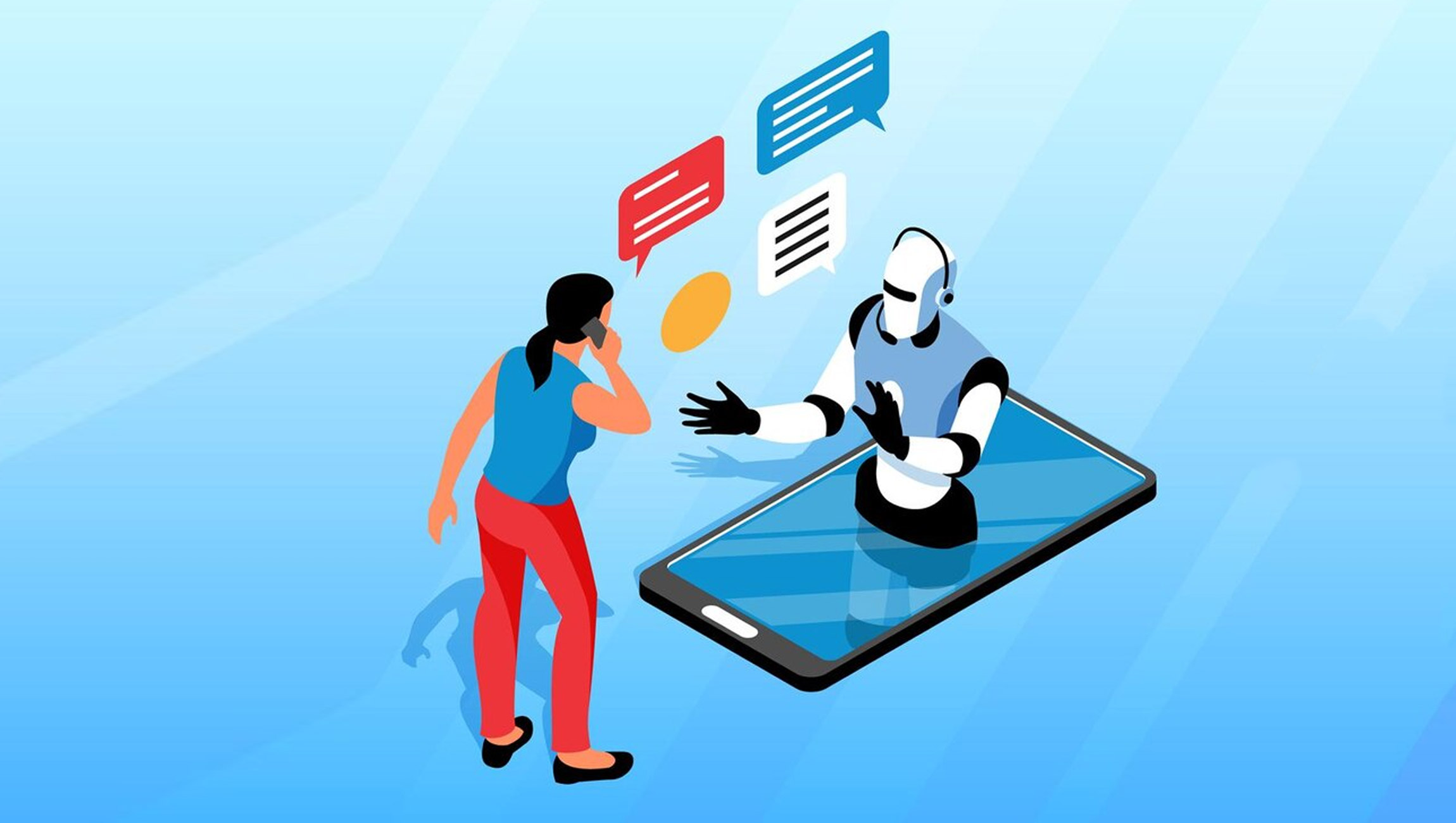


New AI agent transforms screen recording into actionable workflows, enabling teams to automate, communicate, and resolve issues faster than ever
Zight, the AI-powered visual communication platform used by millions of professionals worldwide, announced the launch of Zight Agent—a breakthrough capability that transforms screen recordings into intelligent, automated workflows.
Built on Zight’s platform for screen-recording videos, screenshots, and GIFs, Zight Agent turns every recording into a one-click AI workflow. Instead of simply watching a video, users can launch an Agent that follows the recorded steps and completes the task in real time.
Marketing Technology News: MarTech Interview with Miguel Lopes, CPO @ TrafficGuard
“Zight Agent represents a fundamental shift in how work gets done,” said Scott Smith, CEO of Zight. “We’re moving from simply recording what happened to enabling AI to understand, communicate, and take action on behalf of teams. Just record what you want to happen, and we’ll spin up an agent that takes those actions for you.”
This shift marks a new paradigm—from passive content to active execution. With Zight Agent, teams can trigger agents directly from recordings, generate summaries and next steps instantly, and enable workflows that document and progress automatically.
“By combining visual context with agent-driven automation, we’re bridging the gap between human communication and machine execution,” added Sachin Lad, CTO of Zight. “Zight Agent allows AI systems to not only see what’s happening on screen, but to interpret it and contribute meaningfully to workflows.”
Marketing Technology News: Is the Traditional CDP Already Out of Date?
The result is a move beyond static communication into dynamic, AI-assisted execution—helping customer support, product, engineering, and operations teams reduce back-and-forth, accelerate resolution times, and scale knowledge sharing across the organization.
Designed for the AI-native workplace, Zight Agent supports a wide range of use cases, including customer support resolution, product debugging and QA, sales and onboarding workflows, and internal documentation and training. By integrating seamlessly with existing tools, it extends the value of visual communication into every part of the organization.