

Known for pioneering real-time generative AI video technology, artificial intelligence research lab Decart has launched the latest version of its Lucy model. Available now through the Decart API, Lucy 2.5 represents more than just an incremental improvement. With enhanced real-time video-to-video editing capabilities, it enables creators and media companies to incorporate live virtual effects using natural language prompts.
This new capability is what makes the release especially interesting for professional marketers who understand the potential of the video medium. Over the past two-plus years, AI-enhanced video has emerged as a powerful tool for marketing teams, but until now it has always had limitations as a fairly static medium.
With Lucy 2.5, AI video suddenly becomes dynamic. Earlier editions of the Lucy model had already laid the foundations for more adaptive and personalized marketing videos, introducing features such as the ability to swap characters, edit styles and backgrounds and add or replace objects on the fly. Lucy 2.5 builds on this through some significant performance upgrades, notably by enhancing the accuracy and precision of AI-generated elements and with its improved adherence to user prompts.
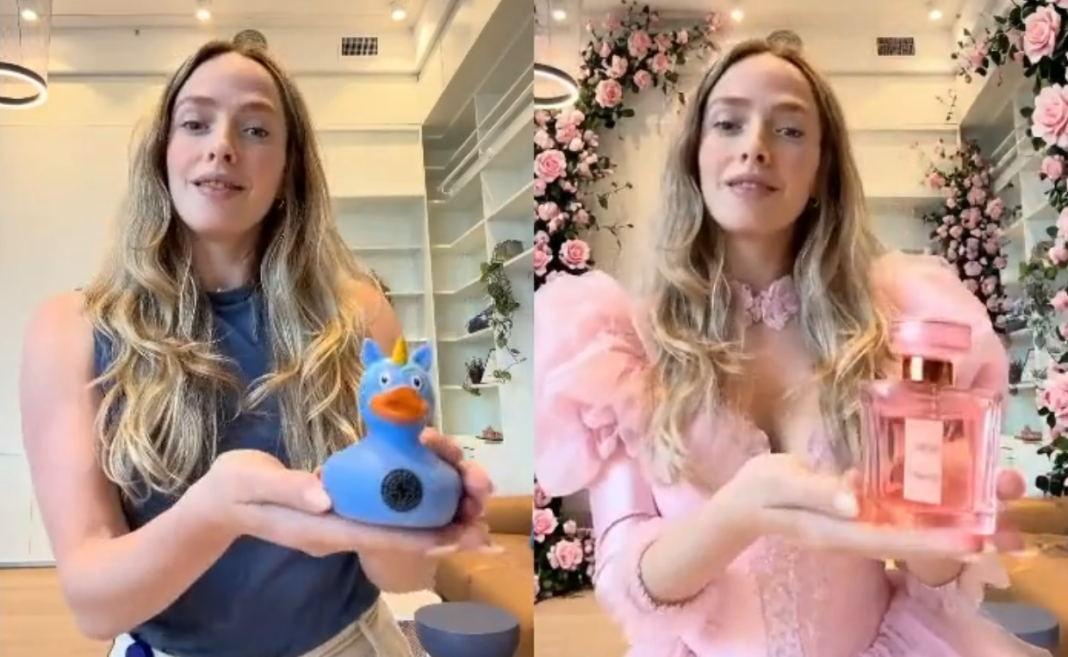
What this means is that artificial objects can be added to live videos in real time, where they’ll look much more realistic, with none of the clunky visual artefacts and latency issues that plague older augmented reality tech.
However, it’s the addition of visual effects that’s likely to stand out most. The model has been given an entirely new VFX engine along with the ability to instantly remove objects from live video, paving the way for cinema-style special effects such as explosions, fireballs, clouds of dust, gusts of wind and smoke.
These VFX can now be plugged directly into livestreamed video with a single prompt, expanding what’s possible with AI-generated film. With its sub-40 millisecond latency, Decart says it’s possible to implement these effects in the blink of an eye.
Marketing Technology News: MarTech Interview with Stephen Howard-Sarin, MD of Retail Media, Americas @ Criteo
Interactive Imagination Unlocked, Live
The release has major implications for creative marketers who’ve already begun exploring the capabilities of AI video. The ability to add and remove objects at will can unlock powerful new applications, not only for advertising, but also for shoppers too.
It’s all too easy to imagine an online store or a shopping app enabling someone to visualize how new products will appear in dozens of settings. With Lucy 2.5, it becomes a breeze to place something such as a new hat or pair of jeans on a consumer who’s just trying to imagine how it will look when they’re wearing it.
By sharing their camera, users can see new items in context and try before they buy, with the AI adjusting attributes such as color, texture and lighting in real time so it updates flawlessly as they move around. In this way, Lucy overcomes a major headache for many shoppers who are not imaginative enough to visualize exactly how an item will look or feel, helping to avoid buyer’s regret.
Aside from virtual try-ons, Lucy 2.5 supports targeted product placement within livestreamed broadcasts and creator content. Product placement has always been extremely rigid, cemented during the video production process, but that limitation fades away with AI-generated video. With Lucy 2.5, brands can transform video streams into a fluid and programmable tapestry for advertising an array of products, injecting and swapping out various items within a scene, based on regional data or viewer demographics.
The opportunities are limitless. A travel vlogger can use Lucy 2.5 to dynamically integrate a specific brand of snack food or a smartphone model onto a table, right next to the host, for example. Because of Lucy’s improved precision and prompt adherence, placed objects can react to elements of the physical environment such as the ambient light, shadows and even the camera movements, and look as if they’re a genuine part of reality.
Creators could also run multiple versions of the same livestream, advertising relevant products through hyper-personalized broadcasts to different audiences.
Marketing Technology News: From MarTech Stack to MarTech Fabric: Weaving Brand, Content, and Conversion Into One Thread
Shaping Reality in Real Time
Marketers generally report mixed success with AI-generated video, but the Lucy 2.5 release is strong evidence that this is now a rapidly maturing technology that can have a real impact on advertising and shopping experiences. Thanks to its precision product placement capabilities and its highly realistic visual effects, Lucy 2.5 gives marketers the opportunity to shape reality in real time. AI is evolving video from a static feed into a highly interactive and personalized canvas with endless possibilities for expanding consumer engagement.