

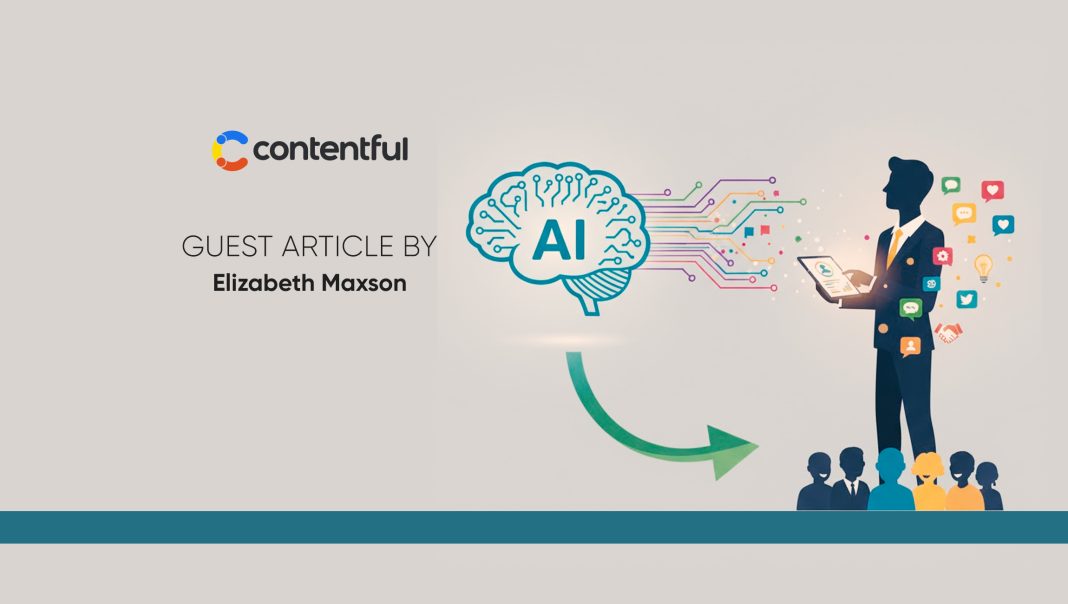
Efficiency doesn’t build brand love. While much of the touted benefit of AI’s growing presence in marketing has been around increasing efficiency and productivity, marketers know that this alone will get them nowhere fast. Good marketing is about building meaningful connections on a personal level.
To bridge the gap between efficiency and emotional impact, marketers are turning to evidence-based creativity – the skill of marrying creativity with data to drive meaningful connections. Combining human creativity with AI-driven insights is now essential to producing, testing, and scaling ideas with measurable impact. The goal isn’t to turn every marketer into a data scientist, but to create teams where everyone can ask the right questions of their data and act on what they find.
Here are three ways marketers can effectively fuse AI-driven insights with human creativity to tell stories that resonate:
Human Connections at Machine Speed
AI is a powerful tool that can free marketers up to focus on the human side of the discipline, such as understanding customer needs, crafting emotionally engaging messaging and experimenting creatively. More than half of marketers say AI has already accelerated content creation, while 44% point to improved campaign planning and forecasting, and 42% cite the ability to deliver more personalized experiences.
But with this efficiency comes the risk of losing authenticity with audiences. AI can summarize reviews and draft case studies, but it can’t capture the vulnerability of a founder’s journey or the emotional connection of a customer through a recession. The best brand storytelling taps into culture, lived experiences, memory and meaning to create moments of real connection. AI tools can scale that kind of storytelling so that it feels personal and authentic to each customer.
For example, footwear and apparel brand On taps into real-life experiences of everyday runners and professional athletes, turning customer journeys into powerful storytelling. The brand documents the emotional highs and lows of running through the lens of real people and uses AI to amplify content distribution efforts across its website, social channels and app. By taking inspiring stories and amplifying them across owned content and marketing channels, On is able to quickly produce, scale and amplify inspiring content and turn customers into lifelong brand advocates.
Amplify Your Brand Voice, Don’t Dilute It
Generative Engine Optimization (GEO) has reshaped how people discover content and interact with brands, a trend that is about to accelerate in light of Walmart’s partnership with OpenAI to enable shopping through ChatGPT. Gaining and holding customer trust will require a greater focus on high-quality, consistent and emotionally resonant content that people feel and AI algorithms understand.
Overnight, GEO has upended outdated content practices of using generic and product-focused messaging and pushed brands to clearly define their differentiators, hone in on emotional storytelling and distribute it consistently across authoritative channels such as news outlets, company blogs and social media. AI can create this content in seconds, but brilliant marketers don’t just use AI to produce more content. They see it as a catalyst to make more informed decisions, move ideas from concept to market faster, and amplify rather than replace their own human creativity. Marketers’ ability to translate between machine and human will help brands appear more frequently – and more accurately and authentically – in generative AI results.
Marketing Technology News: Martech Interview with Aquibur Rahman, CEO of Mailmodo
The Marketing Skills That Matter Most Today
All of this paves the way for a new generation of marketers to emerge. These “full-stack marketers” blend creativity, strategy, and technical fluency to thrive in an AI-powered era. They’re reliant on AI-enabled workflows, skilled at writing effective prompts, and adept at weaving new technologies into daily operations. Nearly half of marketers now use both AI copilots in productivity software (49%) and generative tools for content creation (48%), underscoring how quickly these tools are reshaping the craft.
But what truly defines this new generation isn’t just their technical skills, it’s their mindset. Curiosity, empathy, and adaptability have become the soft-skill superpowers that separate good marketers from great ones. These qualities allow marketers to ask sharper questions, uncover deeper insights, and create work that resonates on a human level. In an era where anyone can access the same tools, it’s these distinctly human instincts that will determine who stands out.
The Path Forward
AI isn’t a threat to creativity but rather a catalyst. Nearly half of marketing teams point to AI-powered content tools as enablers of better campaigns, but they also emphasize the importance of clear processes, strong executive support, and cross-team alignment. In this new era of marketing, it’s important for marketers to embrace AI, not only to reduce repetitive tasks but also to enhance the human aspects of marketing, spend more time on creative brainstorming, and develop new ways to connect with audiences.
As a CMO, I believe creativity is intrinsically human-driven and creative thinking and individuality can’t be outsourced to AI. I’m also aware of the realities of today’s marketing environment, where speed and scale of personalization have become true differentiators. To keep up with the pace of innovation, marketers need to find a balance between fostering human creativity and using AI workflows to enhance that work.
Marketing Technology News: Beyond the Trend: How CMOs Are Using Cultural Intelligence to Lead Culture, Not Chase It