

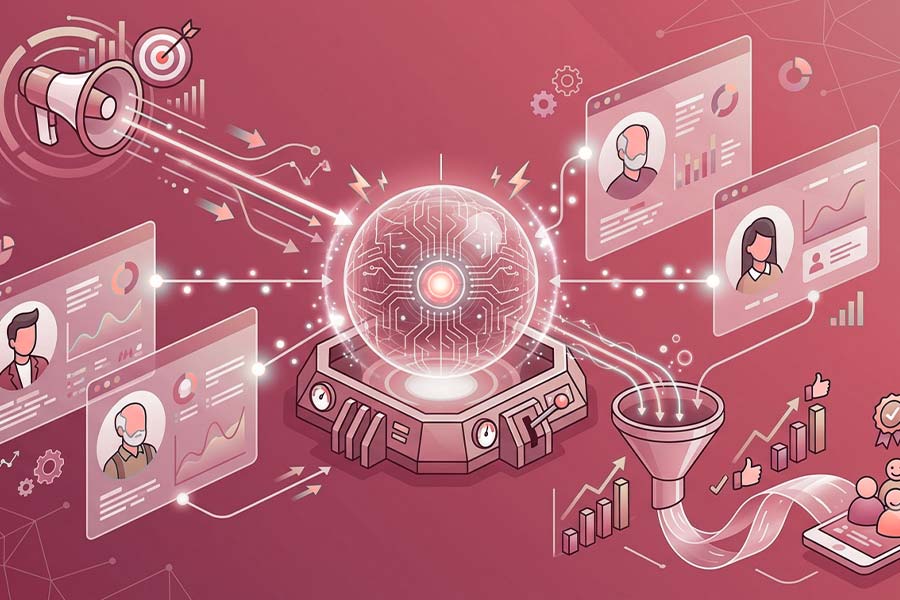
AI learning copilots can suggest courses, role moves, skill gaps and practice tasks based on employee data. That can make development more useful while shaping what people see.
Learning Copilot Governance sets rules for that influence. It defines which data the copilot can use and where human review belongs.
The first step is defining the tool’s role and the decisions people continue to own.
What does Learning Copilot Governance mean?
Learning Copilot Governance is the set of rules that shapes how an AI learning tool uses employee data and recommends development options.
The copilot can point to a skill gap or suggest a course. HR still needs to define which role data is valid and which recommendations need review.
That keeps learning support with the copilot and decisions about employee potential with people.
Once those limits are clear, HR can decide which employee signals should guide each recommendation.
How should HR map employee goals and role needs?
A useful recommendation needs a clear view of what the employee wants to learn and what the role requires.
Before the copilot suggests a path, HR should connect each signal with a clear source and explain why that input belongs there.
| Signal | What it should show | What HR should check |
| Employee goal | Chosen area for growth | Did the employee confirm it? |
| Role need | Skill required for current work | Is the role profile current? |
| Skill record | Known level or past evidence | Can the employee correct it? |
| Learning history | Courses or practice completed | Does it reflect current need? |
This map helps HR see where a recommendation came from and whether the source still fits the employee’s current role.
How can HR check whether recommendations are fair?
People in similar roles should have a fair chance to see useful development options, even when profile detail differs.
HR can use simple checks to see where access starts to differ across employees in comparable roles and development situations.
- Compare who receives advanced learning or mentoring across similar roles.
- Check whether missing profile data lowers the quality of suggestions.
- Review whether past job history gets too much weight.
- Compare recommendations after role or skill updates.
- Look for groups that receive fewer growth options over time.
These checks can expose weak data or poor rules before those issues shape development choices across a wider workforce.
How much control should employees have over learning profiles?
Employees should be able to see the main data shaping their recommendations and correct information that no longer reflects their work.
Learning Copilot Governance should let people update career interests and question inferred skills. They should also be able to review learning history and role information.
When employees correct the record, the copilot has a stronger base for future suggestions.
The next step is linking those suggestions with real career paths, so learning connects with the work employees want to pursue.
How should AI coaching connect with career paths?
Learning feels more useful when employees can see how a skill connects with future work and what step could help them progress.
To make that link clear, HR can structure recommendations around four parts of the development path employees can see and understand.
-
Skill gap:
Show which skill the role or target opportunity requires and what evidence points to the gap.
-
Learning step:
Suggest a course or practice task that helps the employee build that skill.
-
Work use:
Point to a project or task where the employee can use the skill after learning.
-
Career link:
Show which future roles or internal opportunities use that skill, while keeping promotion decisions with people.
This gives employees more context and gives HR a better base for measuring whether learning creates useful progress.
Marketing Technology News: MarTech Interview with Jema Birkmeyer, VP @ Attentive
What should HR measure beyond course completion?
Course completion records participation. HR still needs evidence that employees gained skills and used them in real work.
The better question is whether the recommendation changed capability or opened a useful development path for the employee.
HR can track skill checks and manager feedback. It can also compare project use and movement into new work.
Those measures show whether the recommendation helped someone move toward a stated goal. They can also expose content that creates little change.
That evidence gives HR a sound reason to update content or change recommendation rules.
When should HR review the copilot?
Roles and skill needs change over time. Learning content can also lose value, so the copilot needs review against current work.
Learning Copilot Governance should trigger a check when role profiles change or when employees correct the same issue across many recommendations.
HR should also review the system after changes to skill frameworks or career paths. Repeated weak suggestions can point to stale role data.
These reviews help HR remove weak inputs before they shape the next set of recommendations.
Why does AI coaching need fair access and role context?
AI learning tools can help employees find useful development options across large content libraries. Their value depends on the data and rules behind each suggestion.
Learning Copilot Governance gives HR a clear way to manage that process. It keeps recommendations tied to current roles and lets employees correct their profiles.
The goal is practical: use AI to guide learning while people keep control over career decisions and development choices.
Marketing Technology News: Martech Portfolio Intelligence: Using AI to Decide Which Marketing Technologies Deserve to Survive