

Ecommerce brands are increasingly asking for customer data, yet they’re receiving less in return. That’s not a coincidence.
Collecting data beyond just name and email, like phone number, birthday, and preferences, enables more personalized messages for consumers. But because the value isn’t clear, consumers are willing to volunteer only a limited subset of low-risk information upfront.
New research from Intuit Mailchimp puts hard numbers on what many marketers suspect. While 65% of brands request a phone number via opt-in popups, only 28% of consumers are willing to share it. Just 8% of marketers report opt-in conversion rates above 20%. These low conversion rates point to a broader issue: low confidence.
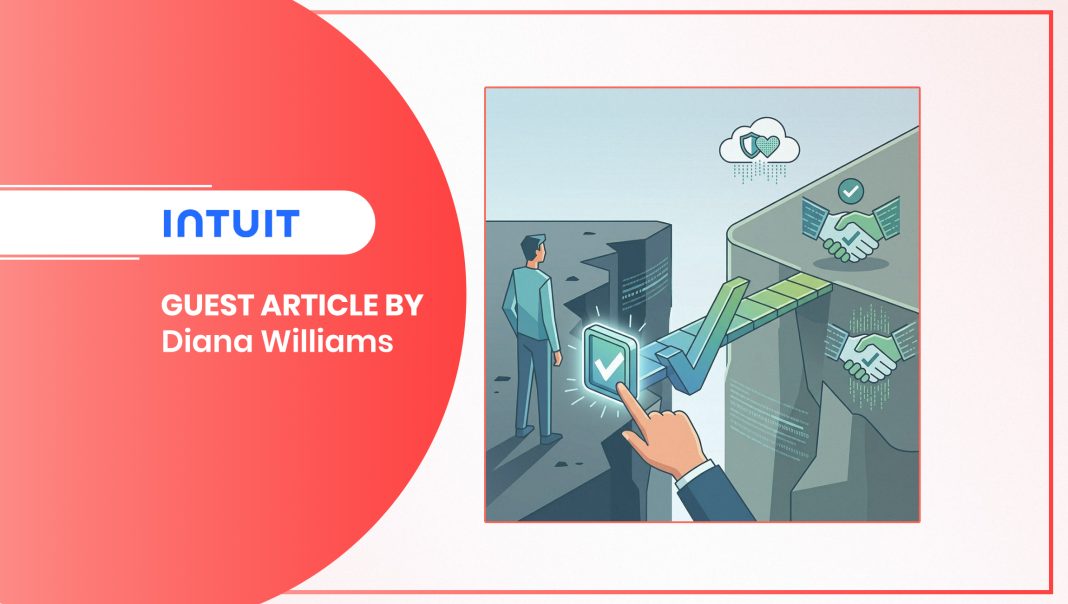
This is the trust gap, and it’s sitting right at the front door of the customer relationship. The good news is that closing it doesn’t require a complete overhaul. It requires a smarter approach to addressing what brands ask for, when they ask for it, and how they can use what they already have.
List quality is the real growth metric.
For years, ecommerce growth was measured in subscriber counts: The bigger the list, the bigger the revenue. Now we understand that volume isn’t the best indicator for performance. What actually drives results is a list where subscribers open and click, data is current and accurate, and every contact is deliberately acquired rather than passively accumulated over time.
A high-quality list has a direct bottom-line impact; for instance, 50,000 engaged subscribers will naturally convert at a higher rate than 500,000 disengaged subscribers. Intentional audience building reduces costs, protects deliverability, and generates engagement that translates into measurable revenue.
Building that quality starts with trust. Only 31% of consumers assume brands will handle their data responsibly, and more than half say they’re willing to engage but worried about spam. Earning a place in someone’s inbox, let alone influencing their purchasing decisions, requires establishing credibility from the start.
The ask should match the moment.
More than half (51%) of brands place opt-in popups on the homepage, and 62% use page-load popups that fire immediately upon arrival. But asking for contact information before a visitor has browsed a product or read a review can feel premature and erode trust.
The research is clear on when consumers are most receptive: Half of consumers (50%) are most likely to opt in after browsing a brand’s offerings, 33% right before making a purchase, and 24% just before leaving the site. Triggering a popup form offering a discount after visitors have viewed a product aligns with where they actually are in their journey.
In practice, marketers are required to rethink their strategy to acquisition. The brands earning quality signups have stopped asking what data they can collect and started asking what value they’re offering in exchange for it. Incentives like early access or a first-purchase discount are concrete starting points. Optimizing the opt-in moment captures useful data from the start, and surfacing what subscribers do afterward compounds that value.
Marketing Technology News: MarTech Interview With Fredrik Skantze, CEO and Co-founder of Funnel
Behavioral signals fill in what form fields leave out.
Instead of asking for more than customers are ready to share upfront, marketers should consider another approach: letting customer behavior do some of the work instead.
Every visit generates data. Signals like what someone browses, how long they spend on a product page, whether they return twice in a week, or what they add to a cart and walk away from reveal intent without requiring a single form field. Consumers generate these insights naturally by engaging with your brand, creating opportunities to start building the relationship before an email address is shared.
Behavioral signals fill in the gaps, deepen over time, and make the data brands collect more actionable. The goal is to identify where someone is in their relationship with your brand and meet them there, with the right message at the right moment. Acting on that at scale, however, requires more than good instincts; it requires knowing who to target, when to send, and what to say, and then acting on those decisions when it matters most.
AI turns behavioral data into action.
Collecting behavioral data and actually acting on it are two different problems. Triggering real-time, personalized follow-up messages based on browsing behavior, purchase history, and engagement signals across email and SMS isn’t something a marketing team can do manually at scale. AI can close that operational gap.
Brands with high-quality lists are three times more likely to run fully automated programs (38% vs. 13%), indicating that the brands investing in list quality are also the ones investing in the infrastructure to act on it. Marketers now rank AI-powered optimization among the most sought-after capabilities in their tech stacks.
The practical shift shows up in the customer journey. A high-value customer who has browsed multiple times and completed transactions warrants a different sequence than a new subscriber who went quiet after the first message or someone who abandoned a cart. AI makes it possible to identify those distinctions early and route customers into the right sequence automatically, turning what used to be guesswork into something systematic.
Acting on behavioral data at scale only works within the bounds of consumer trust. Personalization that feels natural and helpful builds the relationship, while personalization that feels intrusive or misaligned breaks it. The brands getting this right are transparent about what they collect and why, which reinforces the same value exchange that drives opt-in quality in the first place.
The opt-in is just the beginning.
The brands positioned for success are treating the opt-in not as a list-building opportunity but as the first moment of a long-term relationship. Strategic timing, relevant incentives, and a clear value exchange up front set the foundation. Behavioral signals and automation build on it, surfacing the right message at the right moment.
The trust gap closes the moment brands start treating the opt-in as an invitation rather than a transaction. The result isn’t just a bigger list; it’s a more valuable one, built on trust that shows up in repeat purchases, higher engagement, and lasting loyalty.
About Intuit Mailchimp
Mailchimp is the all-in-one integrated marketing platform for small businesses.
Marketing Technology News: The Death of Third-Party Cookies Was Just the Start. Are You Ready for Consent Orchestration?