

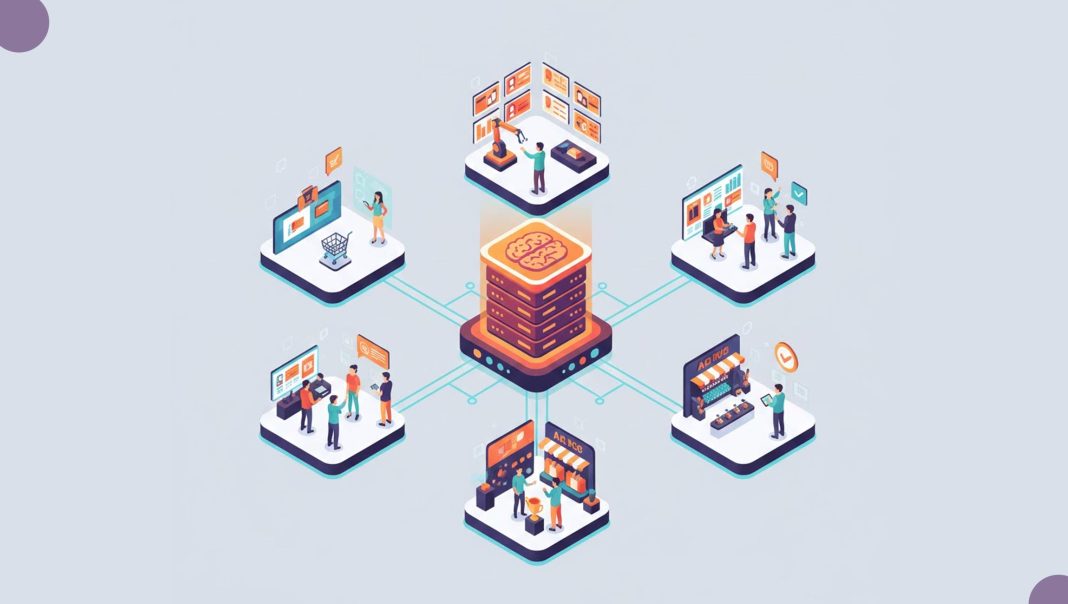
Two-thirds of marketers now say data integration is among their biggest challenges, and data silos top the list of concerns about the future of the martech stack. Fragmentation remains the rule, not the exception.
The modern martech stack was meant to be a bridge between creativity and data, between human insight and digital precision. Instead, it has often become a patchwork of disconnected systems. Unchecked growth without governance, strategy, or interoperability causes tech stacks to work against their intended goals.
This article outlines practical steps organizations can take to streamline data ingestion and improve interoperability across their marketing technology ecosystems. By focusing on shared APIs, consistent metadata, centralized governance, and meaningful performance metrics, marketing leaders can maximize the value of their technology investments.
The Persistence of the Frankenstack
Marketers have long used the term “Frankenstack” to describe technology environments stitched together from overlapping tools. Each platform adds incremental value, but integration complexity grows exponentially. Many organizations are still trapped in this pattern, with siloed systems that make it difficult to share data or scale personalization efforts.
Beyond being just a technical issue, this fragmentation erodes the customer experience. When systems cannot exchange data fluidly, every touchpoint becomes a separate conversation. Customers see inconsistencies in pricing, personalization, or messaging. That results in lost opportunities to generate revenue. The Liferay 2025 Digital Self-Service Report found that 73% of consumers have skipped a purchase because the process was too annoying. Meanwhile, teams spend more time reconciling systems than executing campaigns.
Moving From Complexity to Cohesion
The path forward lies in simplifying how data flows through the marketing ecosystem. Instead of layering more technology on top of existing systems, organizations need to standardize the way their tools communicate and exchange information. The goal is a stack where every component works together through shared language, structure, and governance.
Three practices consistently help organizations streamline data ingestion and strengthen interoperability.
1. Standardize on APIs and Metadata
Every integration depends on a shared foundation. Standardizing on APIs ensures that systems communicate through consistent protocols, reducing the need for custom connectors and manual workarounds. Collaborating with IT to align on data schemas and semantic tags enables seamless movement of information across tools.
Metadata plays a critical role as well. Clear titles, descriptions, and standardized fields help both people and systems interpret what the data represents. These details improve automation, reporting accuracy, and overall visibility. Over time, strong metadata standards create a foundation where every new tool can plug in without rebuilding connections from scratch.
2. Govern Through a Centralized Design and Data System
Governance is the glue that keeps a stack coherent. A centralized design system ensures visual and functional consistency across channels, reducing duplication and confusion. The same principle applies to data. A centralized data model that defines how customer, campaign, and content information is structured prevents drift across tools.
These frameworks create a shared reference point for marketing, IT, and analytics teams. They ensure that personalization engines, content systems, and reporting platforms all reference the same source of truth. The result is a stack that is easier to maintain, measure, and scale.
3. Measure Interoperability, Not Tool Count
Too many organizations measure progress by how many tools they deploy. The real indicator of maturity is how well those tools work together. Metrics such as data freshness, latency across APIs, and the time required to activate insights provide a clearer picture of integration health.
When interoperability improves, marketing teams spend less time reconciling data and more time acting on it. Tracking these metrics builds accountability and reinforces a culture of continuous optimization.
Marketing Technology News: Martech Interview with Aquibur Rahman, CEO of Mailmodo
Lessons from Digital Experience Platforms
Modern Digital Experience Platforms (DXPs) offer lessons for marketers trying to take a disciplined approach to integration. They provide a unified engagement layer that sits above systems like ERP, CRM, and commerce engines, connecting data through APIs while maintaining consistency across web, mobile, and partner channels.
As marketers adopt modular, API-first approaches, success comes from designing for interoperability from the start. Those that combine flexible architecture with strong governance are better positioned to reduce redundancy, improve personalization, and deliver cohesive customer journeys.
From Flexibility to Focus
Marketers are under pressure to deliver real-time personalization, omnichannel engagement, and measurable ROI. These demands are legitimate, yet they often drive hasty adoption of new technologies without a cohesive plan. The result is a stack that is flexible in theory and fragile in practice.
Discipline restores focus. It ensures that every integration centers on better customer insight and faster, more consistent delivery. It requires collaboration across marketing and IT teams to establish ownership of APIs, monitor data quality, and manage versioning.
The future of martech will favor organizations that simplify their stacks by standardizing data practices. When teams treat interoperability as a core capability rather than a technical afterthought, the stack stops being a collection of tools and becomes a connected system that supports growth.
The Future Belongs to Integrated, Intentional Stacks
Reducing martech fragmentation starts with structure, not more software. Organizations that standardize how data moves through their systems will find it easier to scale campaigns, personalize experiences, and measure results accurately.
The most effective path forward includes a few consistent practices:
- Standardize on APIs and metadata to ensure every platform communicates in the same language.
- Establish centralized governance through shared data and design systems to maintain consistency.
- Measure interoperability using metrics like data freshness and latency instead of focusing on tool count.
These steps create a connected ecosystem where data flows freely and insights are reliable. When marketing, IT, and data teams collaborate on these foundations, the stack evolves from a tangle of tools into a cohesive system that supports smarter decisions and stronger customer relationships.
Marketing Technology News: Beyond the Trend: How CMOs Are Using Cultural Intelligence to Lead Culture, Not Chase It