

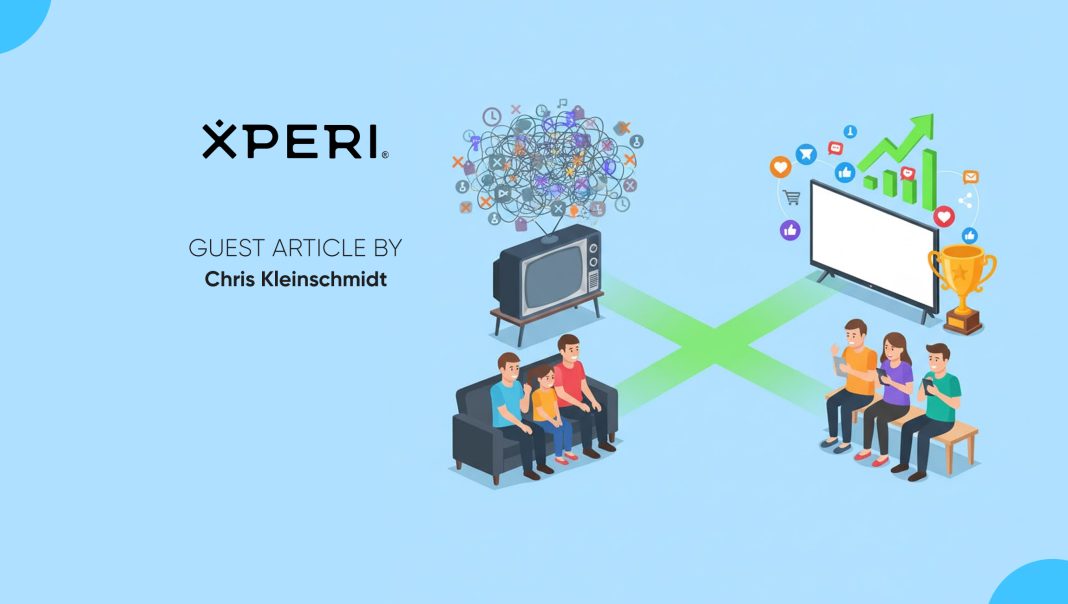
It wasn’t that long ago when TV ads were simply background noise, or the signal to pick up the remote and flick to another channel. But attitudes are shifting. Recent research from TiVo shows that 74% of UK adults now consider themselves tolerant of TV advertising, with 55% willing to watch ads in exchange for free content.
This change in sentiment comes at a time when consumers are feeling the squeeze. With subscription streaming services multiplying and monthly living costs rising, ad-supported options have emerged as practical and appealing. In fact, 42% of UK adults now say they prefer an ad-supported tier when using subscription video-on-demand (SVOD) platforms.
But it’s not just about economics. Advertising itself is evolving. Today’s TV ads are becoming smarter, more personalised, and better timed. They’re less of a blunt instrument and more of a curated experience. Thanks to advances in connected TV (CTV) technology and a deep pool of user data, brands can now deliver hyper tailored ads, and not just within programmes but across the entire TV interface, including the home screen. This opens up multiple TV platform monetisation opportunities, with the possibility of generating revenue from ads displayed throughout the browsing and viewing experience.
That said, challenges remain. While advertising technology has progressed, many viewers still report poor ad experiences, especially when it comes to repetition and irrelevance. This inconsistency is holding the industry back and risks alienating audiences just as they’re beginning to warm to ad-supported formats. Poor execution can undo all that progress.
When bad ads backfire
In the same TiVo survey, 58% of viewers using AVOD or FAST platforms said that repeated ads during a single session negatively impacted their experience.
Overloaded ad breaks and irrelevant targeting further frustrate viewers, increasing the risk they’ll switch content platforms altogether. This leads to a seriously missed opportunity to reach a captive audience, not just for content providers but for advertisers seeking meaningful engagement.
The good news? These are fixable problems. AI-driven personalisation can help ensure that the right message reaches the right viewer at the right time. Smarter ad frequency management tools can reduce repetition, while newer, interactive formats – like QR codes or gamified content – offer a way to turn passive viewing into active engagement. And audiences are receptive. The number of UK viewers who find interactive ads engaging rose from 23% in 2023 to 30% in 2024, showing that expectations for what ads can deliver are changing and rising, and this should be acted upon.
Marketing Technology News: Martech Interview with Aquibur Rahman, CEO of Mailmodo
The ad-supported sweet spot
Striking a balance between monetisation and user experience is key. Viewers may be more open to advertising, but they still expect relevance and respect for their time. For TV platforms, that means creating environments where ads feel integrated in the viewing experience and not invasive.
Putting consumers first will be essential for long-term success. Transparency, controlled ad loads, and strong alignment between content and advertising are no longer nice-to-haves.
Advertisers, too, must consider where their messages are being shown. The operating system (OS) powering a CTV is an important consideration because the ad experience varies widely across the different options. Where ads will appear across the CTV OS ecosystem and being able to measure the effectiveness of that ad spend is crucial.
As many consumers are running a secondary device on their CTV such as a gaming console, this puts a strong onus on the first OS serving an ad to add value and prove to advertisers that they will be able to gain a valuable impression. If the CTV OS provider isn’t able to do this, it can result in wasted impressions, which the advertiser would have no way of being able to track or account for.
Independent CTV OS offer something that’s often missing in big tech ecosystems: neutrality. These platforms prioritise viewer experience, helping brands foster trust and loyalty. This more controlled, viewer-first environment helps deliver relevant, well-timed ads, reducing common frustrations and supporting deeper, longer-lasting brand engagement.
Such CTV OS providers also make it easier for advertisers to provide them with creative assets for homepage ads and CTV video ads that will work across every TV in their ecosystem, rather than a lot of confusing creative asset requirements and specifications.
What’s next?
The future of TV advertising is heading towards even greater personalisation and interactivity. AI-enhanced targeting will continue to refine how messages are delivered, ensuring greater relevance. Meanwhile, the growth of gamified and interactive formats will transform ads from background clutter into moments that capture attention, and even drive action.
Already, 43% of AVOD and FAST users say that relevant, tailored ads improve their perception of a brand. And while we’re not yet at the point where every ad can be tied directly to a purchase, we’re getting closer. As streaming TV continues to evolve toward a greater level of reliance on ad spending, advertisers rightly are going to demand having a higher degree of visibility into where exactly their spend is going. New measurement tools are emerging that can help brands connect the dots between exposure and conversion.
The next era of TV advertising is about reaching audiences at high attention moments and then keeping it.
Marketing Technology News: Beyond the Trend: How CMOs Are Using Cultural Intelligence to Lead Culture, Not Chase It