

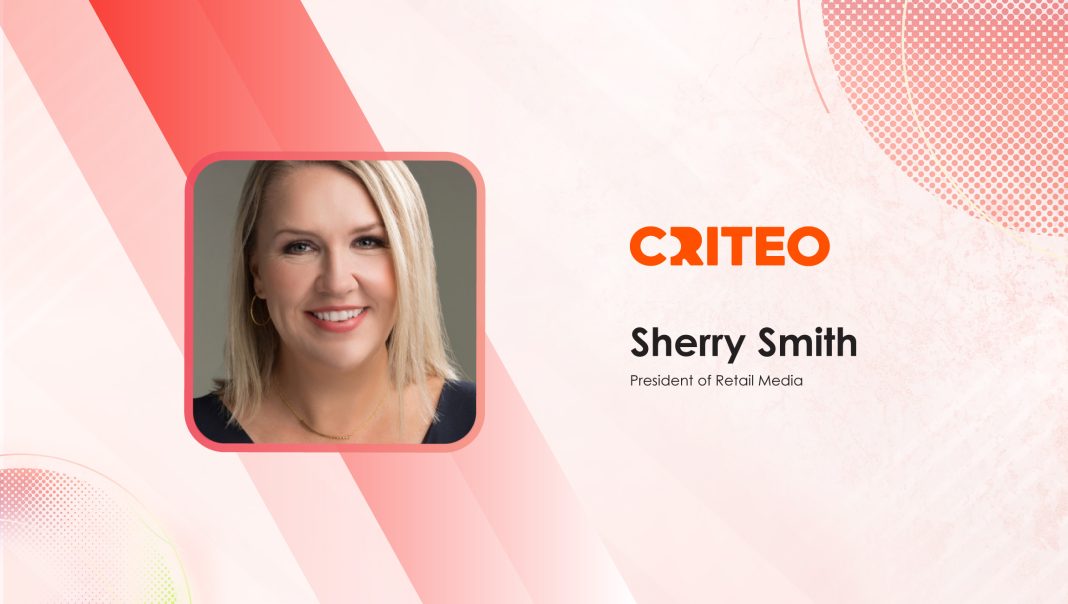
Sherry Smith, President of Retail Media at Criteo shares more on how marketers today can drive better results with agentic AI powered experiences:
___________
Hi Sherry, tell us about yourself and your role at Criteo.
My career has grown alongside retail media itself. I was part of the early days of the industry, helping build some of the first retail media programs with Walmart and later leading Triad Retail Media. Back then, we were proving that retailers could turn their first-party data and shopper relationships into a powerful growth engine for brands.
Over the past two decades, I’ve seen retail media evolve from a nascent idea into a core pillar of modern commerce. As President of Retail Media at Criteo, I focus on helping retailers and brands scale that opportunity globally and build for the future of commerce, where retail media plays a central role in driving growth, loyalty, and measurable results across every touchpoint.
How is Retail Media shaping up today, and what top trends will define the market through 2026?
Retail media is entering its next phase of maturity. Over the past decade, growth has been fueled by sponsored search, onsite display, offsite media activation, and marketplace advertising. But as commerce becomes more connected and responsive to shopper behavior, discovery is evolving beyond simple keyword search toward more intuitive, personalized experiences.
Looking toward 2026, I see three major shifts shaping the market.
First, retail media will become more seamlessly embedded across digital touchpoints. This will support richer product discovery experiences while preserving retailer control over inventory, pricing, and shopper relationships.
Second, we’ll see the emergence of new, more native ad formats that feel less like traditional ads and more like helpful recommendations, creating incremental opportunities for brands rather than simply reallocating existing spend.
Third, advanced automation and optimization will become essential. As digital shelf space becomes more competitive, retailers will rely on sophisticated decisioning systems to balance sponsored and organic results, maximize performance, and protect the customer experience.
For brands resetting their agentic commerce workflows and experience: what top tips would you share with them?
As agentic commerce evolves, brands should start by recognizing that discovery is becoming more conversational and context-driven, but it is still anchored in retailer environments. AI-driven experiences rely heavily on structured product data, clear attributes, and strong content signals. Brands that invest in making their product information accurate, differentiated, and easy to interpret will be better positioned as recommendations become more dynamic.
Marketing Technology News: MarTech Interview With Fredrik Skantze, CEO and Co-founder of Funnel
Can you talk about a few brands from around the world who you’ve seen build unique retail experiences with agentic AI?
While retailers ultimately own and operate the commerce experience, we’re seeing innovative brands lean into these new environments in thoughtful ways.
In markets like the U.S., as retailers introduce more guided or conversational shopping features, leading brands are investing in richer product content, enhanced attributes, and contextual storytelling that help their products surface naturally within those experiences.
Globally, the brands that stand out aren’t necessarily building standalone AI experiences themselves. Instead, they’re partnering closely with both retailers and emerging players like LLMs to support incremental discovery and ensure their brand is presented in these new shopping environments.
Five thoughts on the future of retail from your perspective?
First, retailers remain central to commerce because they control the fundamentals: trust, pricing, loyalty, fulfillment, and customer relationships. Technology will continue to evolve, but those assets are enduring competitive advantages.
Second, discovery will continue to diversify. Consumers will move fluidly across retailer sites, marketplaces, social platforms, and emerging interfaces depending on need and context. Winning retailers will meet shoppers wherever they are while maintaining a consistent, trusted experience.
Third, trust will become an even more powerful economic driver. As commerce grows more personalized and automated, transparency and reliability will directly influence conversion, loyalty, and long-term brand value.
Fourth, digital shelf space will become more strategic. As assortments expand and attention becomes scarcer, retailers and brands will need smarter merchandising, better data, and more sophisticated optimization to ensure relevance and performance.
Finally, retail media will solidify its role as a foundational revenue engine. When integrated thoughtfully into the commerce experience, it strengthens partnerships with brands and supports sustainable, incremental growth.
Top of mind best practices for brands looking to optimize their retail media outlook and output in 2026.
Brands need to think beyond campaigns and focus on impact. In 2026, the winners will be those who align retail media investment with merchandising strategy, category growth, and customer lifetime value — not just short-term ROAS.
They should also move early on emerging formats and experiences, but with discipline. Testing is critical, yet every activation should be measured against incrementality and long-term brand equity.
Most importantly, retail media performance will hinge on partnership. The brands that treat retailers as strategic growth collaborators, rather than media channels, will unlock the greatest value.
Marketing Technology News: The Death of Third-Party Cookies Was Just the Start. Are You Ready for Consent Orchestration?

Criteo is the global commerce media company that enables marketers and media owners to drive better commerce outcomes.
About Sherry Smith
Sherry Smith is President of Retail Media at Criteo