Home Blog Page 4387

Google Announces the End of the No-Skip 30-Second Ad on YouTube

0
Youtube shuts down no-skip ads

In news that is sure to make YouTube users everywhere rejoice, Google has decided to kill the no-skip 30-second ad format in 2018. In an official statement reported by Campaign, a Google spokesperson said the move was aimed at providing a better advertising experience to users.

“As part of that, we’ve decided to stop supporting 30-second unskippable ads as of 2018 and focus instead on formats that work well for both users and advertisers,” said the Google spokesperson.

The unskippable 30 second ad format has received a lot of criticism from a large section of YouTube users, so its no surprise this news has been met with approval on social media.

Viewers also expressed frutstration at the fact that while ads shorter than 30-seconds, including the 20-second spots, can be made unskippable. Last April, YouTube introduced a new six-second unskippable bumper ad format for advertisers.

For Google, this move comes at a time when they are facing huge competition from Facebook’s focus on video as the core of their strategy. While advertisers and brands are flocking to Facebook’s video play, Google needs to strike the  right balance between keeping consumers happy and remaining attractive to brands.


Avaya Expands Global Alliance with Salesforce Service Cloud to Offer Connected Customer Experience

0
Avaya Expands Global Alliance with Salesforce Service Cloud to Offer Connected Customer Experience

Avaya, the global leader in providing Customer and Team Engagement solutions, announced the expansion of its partnership with the Salesforce Service Cloud, bringing more comprehensive integration of the two companies. The announcement was made in the recently concluded event in Las Vegas – Avaya ENGAGE, which was attended by 2,300+ participants. The latest partnership expansion between the two companies will help Avaya’s prospects in moving forward through an extensive array of solutions, platforms, and solutions for Cloud, IoT, Customer experience, M-commerce, analytics and digital transformation.

“Customers today expect a predictive and connected customer experience, and that’s why we’re excited to align with Avaya on this initiative. As customer experience becomes the ultimate differentiator, offering a seamless, omnichannel experience will be the key way that companies can create customers for life.”, said Adam Blitzer, EVP and GM, Service & Sales Clouds, Salesforce.

Read Also:  CallidusCloud and Salesforce Expand their Vision to Unify Sales and Marketing Automation

Avaya already integrates with Salesforce via the Avaya Breeze Connector offering. However, this expanded alliance will offer far greater and tighter integration capabilities for enterprise customers where workflow management and interaction will seamlessly co-exist across the solutions.

“Only outcomes matter: Customers know a great experience from a poor one. They may not know the technologies that make either one happen — nor should they. Avaya and Salesforce have come together to build the bridges that create a seamless experience — for customers as well as agents. Together we will ensure businesses that the rewards of delivering outstanding customer experiences are theirs for the taking,” declared Laurent Philonenko, SVP of Corporate Strategy & Development, CTO at Avaya.

Read Also: AI-Powered Content Enablement Platform Bigtincan Hub Now Available on the Salesforce AppExchange

Avaya’s extended partnership with Salesforce Service Cloud will focus on refining its cloud-based solutions, enabling businesses to gain seamless access to its market with greater contextual awareness and agile service contact centers at all points along the customer journey. The alliance will make it easier for businesses to meet the digital demands of today’s customers.

“Bringing together the assets of two leaders so adept at elevating the customer experience will accelerate their customers’ ability to digitally transform that experience as well,” said Nancy Jamison, Principal Analyst, Digital Transformation, Frost & Sullivan.

“In addition, this partnership will greatly enhance the agent experience as well, which is critical with the growing millennial workforce.”

Avaya Customer Engagement solutions and Salesforce’s market-leading CRM platform make a formidable pair in a vastly disruptive martech ecosystem. The collaboration on Salesforce Service Cloud leverage millions of contact centers around the world, including some of the largest customer service operations. Currently, businesses use their Service Cloud APIs to allow customers to leverage Avaya routing across any channel, including web, chat and more.

Read Also: Bluecore Joins Salesforce Partner Program to Bring Personalized Interactions for E-Commerce

Avaya in Salesforce Service Cloud offers a simplified set-up and configuration process for administrators looking to sync agent skills and business rules. The customer data captured via Avaya voice analytics, such as identity verification, can be surfaced in Service Cloud Einstein so agents are better informed and can be more proactive regarding next steps in their case resolutions.

With the new expansive alliance, B2B companies will be able to manage their transition to web and cloud applications in 2017. The integrated Salesforce and Avaya solutions will enable companies to quickly move their strategies forward with little to no disruption to ongoing operations. As CMOs break the ceiling for Mobile-First marketing budgets, the new integrations will help companies seamlessly move from mobile self-service to assisted service when more personalized help is needed, accessing a live agent who has full knowledge of their historical and current interactions — including questions and information received while using a chatbot. This will allow service centers to address every customer need easily, quickly and completely.

Avaya reported annual revenue of $3702 million for 2016,    earning $958 million in Q4 of the year, up by $76 million compared to the previous quarter revenue.  In a largely erratic season for global martech companies, Avaya’s recovery in the Q4 of 2016 is very encouraging.

“Avaya’s fourth fiscal quarter results reflect the strength of our technology portfolio, with major competitive wins at government agencies and enterprise customers across networking, contact center and private cloud services underpinned by continued transformation of the company to a superior operating model,” said Kevin Kennedy, President and CEO.

“Looking forward, we remain committed to improving our operating performance and capital structure while creating value for our customers”, added Kennedy.

As the global leader in delivering superior communications experiences, Avaya provides the most all-in-one portfolio of software and services for contact center and unified communications, including omnichannel assisted and automated customer experience management solutions.

In recent weeks, many MarTech companies have added and realigned their partnership goals with Salesforce, bringing a sea of opportunities for marketers to connect seamlessly with customers across all platforms.

Read Also: CMOs Own Initiatives in Customer Experience; Focus Sharply Moving Towards No-Screen Engagement


Marchex Partners with Facebook, Launches Omnichannel Analytics Cloud for Industry-First Complete View of Customer Behavior

0
Marchex Facebook logo

Marchex logoMarchex, a mobile advertising analytics company, today announced a partnership with Facebook that will integrate across their social analytics solution and into an industry-leading analytics platform, Marchex Omnichannel Analytics Cloud. This integrated technology platform now enables marketers to quickly optimize their marketing spend across all paid media channels based on actionable insight into which channel drove offline interaction by consumers to a brand. A recent study by BIA/Kelsey suggests that phone calls to businesses via smartphones will exceed 100 billion this year– that makes the ability to measure and gain insights regarding consumer behavior across all media channels, or an omnichannel view, critical to developing and refining a successful marketing strategy.

Recognizing the critical need for marketing measurement and analytics to evolve, Facebook is partnering with Marchex to ensure that the most reliable and advanced call analytics are available to marketers. As one of the most important touchpoints in the customer journey, Facebook’s influence is immense, but ad exposure on social media can be difficult to tie back to phone calls or in-store purchases. This partnership eliminates that blind spot by giving marketers a deep understanding of what happens on a phone call that stems from a Facebook ad. This level of insight and ability to immediately measure cross-channel impact is what today’s marketer needs to convert prospects into customers.

Data gif animation
If you can’t see the data, does it even exist?

“At Facebook, we know how powerful a mobile device is, and we’re proud to have created one of the most powerful platforms for global brands to reach their audiences,” said Doug Weiss, product partnership manager at Facebook. “With that power comes an acute responsibility to provide accurate data that enables brands to understand how this engagement on Facebook might be driving interactions off of Facebook. Partnering withMarchex to couple rich call analytics with Facebook’s own data is a significant step forward for marketers who must understand their audience and make sound, real-time decisions to increase their revenue.”

Marchex Omnichannel Analytics Cloud helps marketers connect customer conversions driven from all paid media channels – including search, display and video, social and sites – to calls made to a business. This results in smarter media spend and lower new customer acquisition costs, higher phone call conversion rates by callers based on optimized media, and increased customer conversion and revenue to businesses. For industries that have a significant reliance on phone calls to drive appointments and sales, such as insurance, automotive, travel, and cable, the integrated solution allows marketers to finally have a full and accurate understanding of which marketing activity is most successful in order to optimize overall marketing spend and ROI.

“Online advertising has long struggled to connect digital engagements with accurate attribution to offline interactions and sales. While the influence of mobile phones and reach of digital channels like Facebook is undeniable, we also know that a large portion of sales are still closed in the physical world of phone calls and stores,” said Nikhil Kolar, vice president of product and engineering at Marchex. “Marchex Omnichannel Analytics Cloud connects that critical moment where online influence and offline transactions meet, and in turn activates those insights inside a marketer’s dashboard-of-choice at enterprise scale. This can enable marketers to optimize their consumers’ purchase journey and maximize advertising ROI.”

SoundCloud Doubles Its Programmatic Ad Inventory by Partnering with Rubicon Project

0
SoundCloud Doubles Its Programmatic Ad Inventory by Partnering with Rubicon Project

Advertisers are increasingly looking to gain healthy momentum in programmatic across mobile, video, audio, and other media formats. As advertisers continue to thrust internet’s power to connect with today’s audiences using interactive screens and content, the ad tech landscape will see a dramatic change in coming months, especially in Programmatic. To provide a programmatic customer-friendly ecosystem for ad publishers prompted online audio streaming platform SoundCloud to partner with Rubicon Project.

“Together with Rubicon Project, we are now able to serve up our global audio and video inventory on one platform for the first time in an automated fashion,” stated Alison Moore, SoundCloud CRO.

SoundCloud, the leading Berlin-based social media online streaming platform has announced a strategic partnership with the CA-based advertising automation cloud platform Rubicon Project. The partnership will open up SoundCloud’s premium sound and video inventory to programmatic ad buyers and sellers. Through Rubicon Project’s automated advertising platform, advertisers across the world will be able to offer first-party and content-level targeting solutions across SoundCloud’s user base. Rubicon Project will extend its programmatic automation ad platform on SoundCloud to US, UK, Ireland, France, Australia, New Zealand, Canada, and Germany. More countries are expected to be added to the list in 2017.

Moore went to add, “Together with Rubicon Project we are now able to serve up our global audio and video inventory on one platform for the first time in an automated fashion, making it easier than ever for advertisers to share their message with the right person, at precisely the right time.”

“We really believe that audio ad formats are going to be an important component for how we talk to users in the future,” said Tom Kershaw, Rubicon Project’s chief product, and engineering officer.

“Today’s announcement further establishes Rubicon Project’s leadership position in programmatic audio and underscores our ongoing commitment to providing buyers the ability to access premium, highly sought after supply at scale via automated channels regardless of ad format. We are very excited to work with a streaming audio leader like SoundCloud to open up its users to advertisers and brands seeking to leverage the many benefits of transacting their ad spend programmatically.”

This is the second partnership in programmatic for SoundCloud in 2017, within a space of two weeks. The media streaming platform announced its partnership with Triton Digital – an audio supply advertising platform for live and on-demand ad publishers. The partnership ushered programmatic ad buying and selling opportunities on SoundCloud for US advertisers. Now, by extending its partnership to Rubicon, it is evident that SoundCloud is going deeper into the programmatic ecosystem, enhancing its revenue-generating capabilities.

According to the latest IAB Internet Advertising Revenue Report published in December 2016, US advertisers invested $17.6 billion in digital advertisements in Q3 of 2016. The figure marked 20% increase from the previous year’s record, accounting for 4.3% increase over Q2 2016. The share of programmatic advertising in this figure has grown significantly in last two years.   By offering enriching and target-specific ad inventory, advertisers can monetize their ad revenues significantly.

2017 is stated to be the “tipping year” for programmatic ad spending, especially after registering 40% growth in 2017 (According to emarketer, US programmatic ad spending was projected to touch $22 billion by 2016-end). Programmatic advertising with mobile-first strategy is a serious business opportunity for ad publishers eyeing targeted audience base in the North America, Europe, and APAC.

SoundCloud’s partnership with Rubicon Project signals a remarkable ad spending transformation ahead, encouraging businesses to become more comfortable with ad tech that can be adopted across a variety of mediums and social channels.

Intercom Ups the Ante to Improve Customer Communications with Bugcrowd Bug Bounty Program

0
Intercom Ups the Ante to Improve Customer Communications with Bugcrowd Bug Bounty Program

Intercom, the leading customer messaging platform, has announced a key partnership deal with the pioneer in crowd-sourced security testing – Bugcrowd. The latest partnership is important for marketers challenged by a drop in customer numbers due to bug-related issues. Building on the success of its private program, Intercom launched a public bug bounty program to leverage the full scope of Bugcrowd’s curated crowd of 50,000 cyber security researchers to help implement a secure development lifecycle and protect customer data. The reward program comes less than a year since it scooped $50 million in Series C funding from ten investors that were led by Index Ventures.

“Intercom’s business relies on customer trust. To keep this trust we need to use the best tools available to keep our customers’ data secure,” said Thibault Candebat, Information Security Manager, Intercom. “Our private bug bounty program with Bugcrowd allowed us to tap into the creativity and abilities of hundreds of security researchers to find and report the most complex bugs — the ones vulnerability scanners just can’t uncover. Now we’re expanding our program for access to a bigger pool of researchers to improve our ability to find and fix vulnerabilities.”

To fight the malice of bugs in customer messaging platforms, Intercom announced price money of up to $1,500 per vulnerability identified. The public bug bounty program will issue monetary rewards depending on impact and severity. The program will allow testers to examine Intercom’s main application functionality and their iOS and Android SDKs. Intercom believes that the program is one of the best ways to address and stay on top of the latest cyber security challenges.

“Bug bounty adoption has taken off in the last year as it’s become clear that they are not only an asset to organizations, they are vital to the security of businesses,” said Casey Ellis, CEO and founder of Bugcrowd. “Just as clear is the need for a trusted, experienced partner to ensure the success of these bounty programs. We are thrilled to partner with Intercom to help enable secure communications for their customers.”

via Intercom
via Intercom

Bugcrowd’s engaging platform boasts of thousands of intelligence points connected across organizations. It has a global network of thousands of security researchers who help identify vulnerabilities quickly and allow organizations to remediate issues before the adversaries can take advantage of them. By building this security expertise into the design, support, and management of bug bounty programs, Bugcrowd ensures that organizations at all stages of security maturity realize real value from crowdsourced testing. Bugcrowd’s proprietary vulnerability disclosure platform is deployed by top innovation clients, including Tesla Motors, The Western Union Company, Pinterest, Barracuda Networks and Jet.com.

Intercom, founded in 2011, is a key bridge between marketers and existing communication strategies. In a fast pace B2B ecosystem challenged by strong disruptive technologies, Intercom offers a fully-integrated communication tool for every team – sales, marketing, product and support. Businesses use Intercom to build targeted communication strategies with customers on website, in-app, mobile and email.

Urban Airship Study Reveals App Publishers that Don’t Message Users Waste 95 Percent of their Acquisition Spend

0
Urban Airship Predictive Churn

New data from Urban Airship shows that when marketers don’t message new opt-in app users, they are wasting 95 cents of every dollar spent acquiring them. Only five percent continue to use those apps 90 days after first open, which considering the high cost of mobile app user acquisition is an inefficient and unsustainable way to achieve mobile growth. Mobile growth company Urban Airship, revealed these initial findings from a study of more than 63 million new users, exposing popular misconceptions about the impact that notification volume and frequency have on mobile app retention rates.

In a blog post, Bill Schneider Senior Director of Product Marketing said the new benchmarks should help answer a frequently answered question for mobile marketers – “How Often Should I Send Push Notifications?” Customer churn is one of the most vexing issues app publishers face in growing app user base and revenues,said Schneider, as Urban Airship announced  the coming availability of their new Predictive Churn analytics add-on solution to predict customers most likely to churn.

Urban Airship analyzed customer data in aggregate to identify apps with at least 5,000 downloads that had sent at least 1,000 cumulative push notifications in one month. Taken in a 90 day period from Sept to Dec 2016, the analysis focused on tracking app users notification opt-in status, app open behavior and volume of notifications received.

Overall, more than one-quarter of opt-in users receive exactly zero notifications

Examining the number of push notifications opt-in users received in their first 90-days shows startling evidence that many apps lack any type of engagement strategy. Android’s two largest volume bands include 30 percent of users who received zero push notifications and 13 percent who got one. On iOS, zero push notifications was at 15 percent of users, while 17 percent of users received one.

The company said that not only is sending zero push notifications a massive waste of user acquisition investment, it ignores an important and direct channel to engage users who have opted in, as well as generate future customer value from actively engaged users.

Within reason, concerns about sending too many notifications are unfounded

The general trend shows a very strong correlation between notification frequency and greater mobile app retention rates. App users who receive any kind of notifications in their first 90-days have 66 percent higher retention rates than those who do not, while more frequent messaging increases app retention rates by 3X to 10X. In fact, moving from zero notifications sent to weekly notifications doubles the app retention on iOS and is a 6X multiplier on Android.

Moving to a greater than daily frequency triples iOS 90-day app retention rates and produces a 10X improvement on Android. Surprisingly, noted Urban Airship, this greater than daily frequency was the third most common send volume for iOS apps at 13 percent of users, while just four percent of Android users were messaged at this rate.

Mapping new user retention rates by the frequency of notifications sent to users, displays clear insights for app marketers to use in formulating messaging strategies, said Urban Airship. Both, Android and iOS charts show strong groupings for 90-day retention levels that point to the need to move to more frequent messaging. Apps should focus on sending push notifications that are more responsive to individuals’ in-app or cross-channel behaviors to grow frequency and the value users receive. To do this successfully, apps must improve their ability to listen for user signals wherever they may take place, and respond relevantly in their moment of need through real-time automation.

“The data is clear. App publishers that spend the time and energy to have a thoughtful customer-centric engagement strategy are rewarded with retention rates that are 3-10X times higher than those who don’t. But that’s only the beginning,” said Brett Caine, CEO and president of Urban Airship. “Even apps with high retention rates have room to improve and small gains can have big impacts, which is why we are excited to offer a new end-to-end solution that makes it easier than ever to determine which users are prone to churn and take action while there’s time to retain them.”

Urban Airship newly available Predictive Churn analytics, analyzes user patterns for each app in order to assess a user’s likelihood to churn before they do. Based on a proprietary machine-learning model trained with more than 10 billion data points, Predictive Churn classifies users into three risk profiles — Low, Medium and High — and makes it easy to take action in Urban Airship or any other business system by making these risk assessments available within:

  • Predictive Churn Dashboards to benchmark performance and make it easy to see if efforts are impacting results over time
  • User profiles to meld with other user attributes for highly relevant messaging including pre-built automation triggers
  • Adhoc drill down analysis with any other data point to determine content and offers that are most likely to generate action
  • Real-time data streaming to an external data warehouse or business system for cross-channel analysis and re-marketing, or low-churn-risk lookalike targeting

Urban Airhsip’s blog post added the important caveat that they are not recommending that any push notification is a good push notification. But if you’re looking to improve app retention rates, when it comes to push notifications, more is (almost always) better, said Bill Schneider, adding that many brands tend to be conservative about the number of push notifications they send, for fear of losing users.

Interview with Sangram Vajre, CMO & Co-Founder – Terminus

0
Sangram Vajre

[mnky_team name=”Sangram Vajre” position=”CMO & Co-Founder – Terminus”][/mnky_team]
[easy-profiles profile_twitter=”https://twitter.com/sangramvajre” profile_linkedin=”https://www.linkedin.com/in/sangramvajre/”]
[mnky_testimonial_slider][mnky_testimonial name=”” author_dec=”” position=”Designer”]“Frankly, marketing as a function does not have a clear path to success.”[/mnky_testimonial][/mnky_testimonial_slider]

On Marketing Technology


 MTS: Tell us a little bit about your role and how you got here. (what inspired you to start a martech company)

I am the co-founder and CMO at Terminus and the founder of the #FlipMyFunnel movement. Most recently, I ran marketing at Pardot through its acquisition by ExactTarget and then Salesforce. That experience taught me a lot about startups and also how to do things at scale for the most iconic brand in tech.

 MTS: Given the massive proliferation of marketing technology, how do you see the martech market evolving over the next few years?

B2B marketers are suckers for best of breed solutions. If a product excels at one thing and it saves time for an extremely busy marketer, they will buy it. Ease of use coupled with innovation will continue to dominate the martech landscape.

MTS: What do you see as the single most important technology trend or development that’s going to impact us?

The rise of customer heroism. Most tools out there, especially in martech, are centered around the question of how we can help the marketer to do things faster. This ability often results in spammy activity, which is why email open rates continue to drop. The trend that should supersede technology is an excellent customer experience, which I like to call customer heroism. Let’s make the customers — not the technology — heroes in their organizations.

 MTS: What’s the biggest challenge that CMOs need to tackle to make marketing technology work?

CMOs need to continue to try new things to see what works and at the same time ensure that they can capitalize on the full potential of their strategies across the buyer and customer journey. Frankly, marketing as a function does not have a clear path to success. Yes, CMOs should measure success and track KPIs, but we all know that the customer buying journey has continued to evolve and get increasingly complicated. To predict success and which channels or campaigns will work has been the biggest challenge for modern CMOs, and of course, technology has not helped as much as promised.

 MTS: What tools does your marketing stack consist of in 2017?

Our marketing stack is ever-evolving. To answer this specific question, at Terminus, we launched the Stack Grader and found that, on an average, companies use about 20 technology solutions. The two common elements are CRM and marketing automation.


This Is How I Work


MTS: One word that best describes how you work.

Vision

MTS: What apps/software/tools can’t you live without?

Twitter and LinkedIn.

MTS: What’s your smartest work related shortcut or productivity hack?

No laptop or desk at work. This has helped me be extremely productive in the office as I am able to focus on solving problems and serving the team.

MTS: What are you currently reading? (What do you read, and how do you consume information?)

The Bible — not for religious reasons, but for self-awareness and building my faith.

MTS: What’s the best advice you’ve ever received?

Focus on my strengths.

MTS: Something you do better than others – the secret of your success?

Prioritize and trust in people.

 MTS: Tag the one person whose answers to these questions you would love to read:

Vala Afshar, Chief Digital Evangelist – Salesforce

 MTS: Thank you Sangram! Hope to see you back on MarTech Series soon.

[vc_tta_tabs][vc_tta_section title=”About Sangram” tab_id=”1501785390157-b58e162d-0ae25a4b-c27a47d3-afc1″]

Sangram Vajre has built a reputation as one of the leading minds in B2B marketing.
Before cofounding Terminus, a software-as-a-service platform for account-based marketing, Vajre led the marketing team at Pardot through its acquisition by ExactTarget and then Salesforce.

He’s the author of Account-Based Marketing For Dummies and is the mastermind behind #FlipMyFunnel.

[/vc_tta_section][vc_tta_section title=”About Terminus” tab_id=”1501785390320-2d44fa50-740c5a4b-c27a47d3-afc1″]

Founded in 2014, Terminus is the leading account-based marketing platform that enables B2B marketers to target accounts, engage decision-makers, and accelerate marketing and sales pipeline velocity at scale.

Backed by notable B2B marketing technology investors, Terminus is headquartered in the Atlanta Tech Village where it is rapidly expanding its footprint.

[/vc_tta_section][/vc_tta_tabs]
[mnky_heading title=”About the MarTech Interview Series” link=”url:http%3A%2F%2Fstaging.loutish-lamp.flywheelsites.com%2Fmts-insights%2Finterviews%2F|||”]

The MTS Martech Interview Series is a fun Q&A style chat which we really enjoy doing with martech leaders. With inspiration from Lifehacker’s How I work interviews, the MarTech Series Interviews follows a two part format On Marketing Technology, and This Is How I Work. The format was chosen because when we decided to start an interview series with the biggest and brightest minds in martech – we wanted to get insight into two areas … one – their ideas on marketing tech and two – insights into the philosophy and methods that make these leaders tick.

Forrester Research names Bpm’online ‘Strong Performer’ in Lead-to-Revenue Management Category

0
Forrester Research names Bpm'online 'Strong Performer' in Lead-to-Revenue Management Category

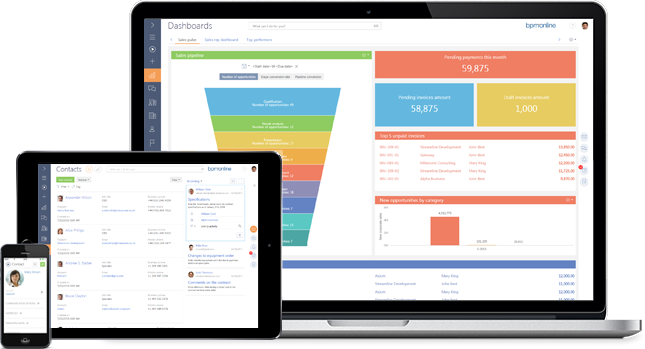
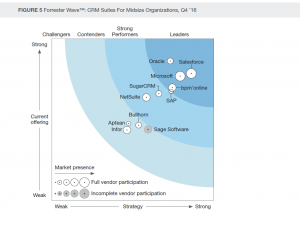
Bpm’online, the provider of revolutionary process-driven unified CRM platform for marketing, sales, and services, announced that it has been named a ‘Strong Performer’ in Q4 2016 report by Forrester Research. The report, titled “The Forrester Wave™: Lead-To-Revenue Management Platform Vendors”, concluded bpm’online received the highest score for their current offering among Strong Performers.

via Forrester Research

According to the report —

“The L2RM business system comprises integrated goals, processes, and metrics that reshape marketing practices to drive effective customer engagement across the entire customer lifecycle — from awareness to advocacy.”

“We believe that this Forrester Wave validates bpm’online’s intelligent marketing automation product as one of the best choices for companies seeking a robust process-driven platform to enable them to build better relationships with prospects and customers, and deliver demand generation excellence,” said Katherine Kostereva, CEO and Managing Partner of bpm’online.

“Bpm’online’s intelligent capabilities are empowering more marketers to achieve exceptional results through effective marketing resource management, campaign design and execution, lead management, and personalized communications with every customer through various channels.”

The 36 evaluation criteria for the Forrester Wave™ looked at a combination of current offering, strategy and market presence. The criteria were grouped into three high-level buckets: Current Offering, Strategy, and Market Presence — which, together, determined the Forrester Wave™ rankings of the most significant lead-to-revenue platform vendors invited to participate in the assessment.

The research report stated that bpm’online’s “out-of-the-box product functionality is strong and balanced across all of our criteria. But the unique strength of bpm’online’s solution is its platform, which provides advanced business process model management capabilities. Forrester’s vision for L2RM is quite sympathetic to a process orientation.

Earlier, bpm’online was also recognized in Gartner’s 2016 Magic Quadrant for Sales Force Automation, included in Gartner’s 2016 Magic Quadrant for CRM Lead Management, and recognized in latest Gartner 2016 Magic Quadrant for the CRM Customer Engagement Center.

Bpm’online marketing offers a holistic multichannel marketing management software, providing comprehensive capabilities and out-of-the-box best practice processes. The company has made significant investment and innovations in CRM solutions to empower companies to gain demand generation excellence. Backed by a robust BPM engine, bpm’online helps organizations to effectively manage leads from the first stages of customer acquisition to lead nurturing, and through the hand-off to sales. This allows sales teams to work with the most qualified and sales-ready leads. Additionally, thanks to bpm’online’s platform that connects the dots between marketing, sales, and service, organizations can streamline processes across the entire customer journey which provide them a distinct competitive advantage in the era of ever-changing customer expectations.

AdParlor Introduces First AI-Powered Technology to Enhance Social Media Advertising Effectiveness

0
AdParlor Introduces First AI-Powered Technology to Enhance Social Media Advertising Effectiveness

Investing in social media is not a viral content marketing strategy anymore. Marketers are taking serious efforts to leverage this platform to create enriching customer engagement and make predictive analytics on user behavior. Success in social media marketing, however, becomes ominous with the addition of the sixth element of MarTech –Artificial Intelligence (AI). AdParlor, the leading all-in-one shop for social media advertising platform, announced world’s first AI-powered analytical capability to test ad effectiveness.

Branded as Intelligence Tags™, AdParlor’s latest advertising technology offering will enable advertisers to analyze the effectiveness of social advertising campaigns across a range of social ads, including images, videos, as well unique formats such as GIFs, cinema-graphs, canvas ads, and text. The technology is initially available for Facebook and Instagram campaigns but will be extended to Pinterest and Snapchat in the near future.

How Intelligence Tags™ works

The Intelligence Tags feature scans the contents of images and videos and automatically tags elements. In addition to the automatic tags, advertisers can add their own custom tags to any asset. The system then analyzes those tags across an advertiser’s entire library to understand what elements perform best.

The system uses deep learning so it continues to improve based on ongoing usage,” – David Strang, Product Manager at AdParlor

“The process to measure creative effectiveness in digital is seriously broken,” said Ben Legg, Chief Executive Officer at AdParlor. “Copy testing is a slow, expensive process and the traditional A/B testing that is useful to help to understand the ‘what’ does nothing to help clients understand the ‘why’ when looking at effectiveness. This solves that problem.”

By introducing Intelligence Tags™, AdParlor aims to take the guesswork out of knowing what elements of each creative work and why. Insights range from product analysis, background, color, copy, and the contents of an image all through advanced visual analysis.

Video Advertising on Social Media: All About Customer Experience

AdParlor, founded in 2011, offers a powerful reporting interface to clients accessing data across Facebook, Instagram, Twitter, Pinterest, and Snapchat. Marketers can test the health of their ad campaigns using single-click A/B testing tool – AdParlor Creation Tool. The New York-based social also delivers cutting-edge MarTech stack for “Play It Right” video marketing campaigns. 2017 – slated to be the “Year of AI in Customer Experience”, AdParlor offers unprecedented customization and uncompromised brand safety, viewability and transparency across growing brand proprietary for each campaign.

For social media video advertising and marketing, AdParlor’s latest AI technology could very well make the difference between obsolete and flawless ad experience.

LogMeIn Founder Michael Simon Joins Mobile Tech Firm SessionM as Board Member

0
LogMeIn Founder Michael Simon Joins Mobile Tech Firm SessionM as Board Member

SessionM, the leading marketing automation platform for loyalty generation and customer engagement, announced the joining of MarTech veteran Michael Simon. Simon, the co-founder and Chairman of the Board of LogMeIn, will be part of SessionM’s board. He is known for his specialization in marketing analytics and personalization technology to product innovation.

Michael Simon Chairman of the Board at LogMeIn
Michael Simon – Chairman of the Board at LogMeIn

According to Lars Albright, Co-founder and CEO of SessionM, “Loyalty starts with context.” And Michael Simon is an exponent in customer experience using mobile tech innovations. The respected tech executive, who co-founded LogMeIn in 2003 and took it public six years later, will remain in Boston, helping SessionM grow its customer base by adding more interactive tools in its software solutions. Considered as the next “Salesforce” in MarTech for mobile engagement, SessionM is set to disrupt the traditional Cloud CRM ecosystem with its next-gen approach towards mobile loyalty and advertising programs. While it has switched its focus towards gathering customer data to refine its knowledge of consumer behavior and their engagement, the latest addition to its leadership cadre will help integrate its technology innovation projects with business expansion plans.

Two years ago, Michael Simon relinquished his CEO title at LogMeIn to William Wagner, the current CEO.  Simon continues to be on LogMeIn’s board and is also the board member at marketing automation company HubSpot.

SessionM, founded in 2011, boasts of being the most prolific mobile tech innovation company in the US. In September 2016, the Boston-based company announced its acquisition of $35 million in Series D funding from six investors led by General Atlantic. The company has so far raised $73.5 million in four funding rounds since May 2011. The mobile MarTech firm acquired POS marketing software provider LoyalTree in December 2016 for an undisclosed sum. Earlier in July 2016, SessionM announced a key partnership deal with mobile strategy enabler Bottle Rocket, offering unique and immersive mobile app platform for true mobile loyalty.

Now, by bringing Michael Simon, SessionM has leaped ahead of the league to become the fast-growing omnichannel marketing automation platform that offers an end-to-end system for maximum speed, agility, and efficiency.

InsideSales.com Study Reveals End-of-Month Sales Tactics Cost Businesses Millions

0
InsideSales.com Study Reveals End-of-Month Sales Tactics Cost Businesses Millions
via InsideSales.com

InsideSales.com, the leading sales acceleration platform that uses AI-powered predictive analytics, announced the release of a comprehensive study on sales wisdom for 2017. The report, titled “Time-based Closing Strategies: The High Cost of Procrastination, provides enriching insights on the challenges facing conventional sales wisdom.

InsideSales.com released the study at Accelerate’17, the marquee event for sales and marketing professionals, and data scientists. The report revealed that end-of-month selling behaviors common to most business-to-business sales organizations have a negative impact on overall sales win rates and deal sizes. Not only do these last-minute blitzes result in the loss of deals that might have otherwise eventually been won, but the deals that do close do so at lower rates and smaller sizes than those won earlier in the month, resulting in significant losses in revenue.

Read Also: Velocify ReportHub, An Intelligent “Fitness Tracker” for Sales Organizations to Achieve Peak Performance

InsideSales.com gleaned these results from a scientific review of nearly 10 million anonymized sales interactions logged by over 150 enterprise users of the company’s sales pipeline management and forecasting software, HD Forecast™.

“These insights fly in the face of one of the foundational beliefs of business-to-business sales. They nullify the common belief that sales organizations should push to meet goals before month’s end,” said Ken Krogue, InsideSales.com founder, and president.

“The study makes clear that it’s time to completely rethink end-of-month strategy. Without a complete understanding of pipeline management in relation to time-based patterns or strategies, organizations are losing opportunities and throwing millions away each year.”

An examination of the data determined that high pressure pushes to hit calendar-based sales quotas do more harm than good, as they force sales reps to both behave disagreeably and to engage in severe price-cutting — often lopping 47% from the price that would have obtained the previous day.

Read Also: Sales Intelligence Platform Chorus.ai Scoops $16 Million in Series A Funding

Key findings from the report also indicate that weekly closing strategies are similarly misguided. Tuesdays close at a rate 65% higher than Fridays — the day of the week with the lowest close rate and, paradoxically, the day many sales reps work hardest to close on.

Fortunately, this is an easy fix for sales teams. The study recommends putting limits on discounting options, offering bonuses for full-price deals and raising prices for future month purchases. Additionally, companies can coach reps and managers to push deals to the next month to maximize revenue and close deals mid-week.

InsideSales.com offers sales professionals a unique sales intelligence platform built on Neuralytics, which is a predictive and prescriptive self-learning engine that drives revenue growth. Sales teams can deliver optimized experience for buyers, offering enriching personalization with breakthrough innovations in predictive sales communications, engagement tracking, forecasting, and rep motivation. Sales teams use the InsideSales platform on desktop as well as playbook format for opportunity scoring, sales communications, email and web analytics, tracking and gamification.

The Provo-based company recently scooped $50 million in Series E funding in January 2017 from nine investment firms led by Polar Capital Management Inc. Founded in 2004, the sales acceleration platform has managed to raise $250.2 million in six funding rounds since 2012. Top speakers at InsideSale’s Accelerate’17 include Tiffani Bova from Salesforce, Ruben Sigala, Hilarie Koplow-McAdams (President- NewRelic), Katie Azuma from infor, Kerry Cunningham (Sr. Research Director at SiriusDecisions), and Dave Barrett of Polaris. The 3-day event concluded on February 16.

Read Also: Telecom Giant Proximus Opts for Neustar MarketShare to Optimize Its Sales and Marketing Campaigns

Is AI All It’s Cracked up to Be, or Does Email Already Have the Answer?

0
Robot human image
Science Future Robot Teens

AI illustrationArtificial intelligence (AI) is generating a huge buzz right now, with promises to do things like answering our emails for us and handling customer service.
In fact, a Weber Shandwick survey of CMOs found that they expect AI to transform marketing and communications even more than social media has. And, as consumers, we fully expect artificial intelligence to someday remind us to pick up milk on the way home.

AI does have a lot to offer – someday. At present, it’s an intriguing technology that’s being used to inform the development of everything from self-driving cars to medicine to, yes, marketing.

However, when it comes to consumer interactions, AI has many challenges, according to Tom Wood of Foolproof. These include:

  • Answers to consumer requests are only as good as the AI’s knowledge base.
  • Artificial agents can seem impersonal or robotic; algorithms that can help the AI differentiate between factual and emotional content are needed.
  • Consumer expectations for brand interactions are quite high, and automated responses may disappoint us.

And Garett Sloane of Digiday points out that it’s still difficult for brands to quantify and analyze chatbot interactions.

Mark Smith of Kitewheel throws a bit of cold water on the whole concept of artificial intelligence marketing. In his view, AI is the newest buzzworthy iteration of the kinds of analytics and automation already available to marketers. Besides, we still need human intelligence. He writes, “The intuition that guides marketing implementation is unique to humans.”

Already intelligent

Artificial intelligence and digital marketing alike rely on data. While the devil is in the details, as we all know, data-driven marketing works –- and the more data sources, the better it works. In fact, there’s plenty of intelligence in today’s marketing platforms. While you wait for the machines to take over your marketing duties, are you getting all the intelligence you could be out of the tools you already use?

Take email for example. It’s such a tried-and-true medium that some marketers are tempted to set it and forget it. However, it’s evolved into a highly data-driven marketing channel, that done right, can lead the way in extremely personalized consumer-driven experiences. If you haven’t dug into your email platform’s tools and analytics lately, here’s what you might be missing:

Dynamic emails: Are you tailoring the content of your emails to specific consumers based on known or observed data? Your email platform should be able to do this for you. Dynamic email marketing can custom-tailor content on the fly. Examples of dynamic content are live maps that show a customer’s proximity to a retail location and countdown timers that show how many days or hours there are left for a promotion.

Contextual triggers: Your smart email platform can use a number of external, real-time factors to send emails when they’re more likely to be relevant. Think an email promoting stylish rain gear to Bostonians when they’re experiencing a thunderstorm; or how about a coupon for brunch sent on Saturday afternoon?

Automated nurturing: Who says software can’t provide the human touch? Modern email marketing platforms let you set up lead-nurturing emails that encourage prospects and customers to deepen their engagement with your brand. You can gain more data to enrich customer profiles with progressive profiling: Ask customers for incremental bits of data over time; for example, one email might ask a customer to identify as male or female. As you gain more data from each email interaction, you can use it to hone your messaging over time. You can also send triggered emails based on rules you set.

Tracking from discount code to conversion: Forget clunky CRM applications. A truly intelligent email platform will follow a consumer’s journey from receiving and clicking on a discount code all the way through to the sale. Along the way, it will reliably keep track of preferences and behaviors, so that in future, everything about the next email will be even more personalized.

Savvy matchmaking: Who needs a shadchan when you’ve got email marketing? It’s possible to take advantage of third-party platforms to segment your email list into groups or personas. Once you’ve done this, you’re then able to tailor your content and creative to capture the interest of all the single urban dog-lovers on your list, while making sure that the 38-to-54-year-old vegan cooking enthusiasts get their own fascinating missives from you. And who knew that it was the mothers of toddlers who were most likely to appreciate your discount on a chain saw?

What are you waiting for?

If you’re ready to get smarter about email marketing, there’s no need to wait for artificial intelligence. Your email marketing platform is probably smart enough already. (If not, maybe it’s time to upgrade.)

Pegasystems Launches First Robotic Automation Capabilities for Business Process Management

0
Pegasystems Launches First Robotic Automation Capabilities for Business Process Management

Pegasystems Inc., the leading provider of Business Process Management solutions, has announced the introduction of Pega Robotic Automation for Pega® Client Lifecycle Management (CLM) and Pega® Know Your Customer (KYC). The new capabilities will help users leverage the power of robotic automation to speed client onboarding processes, reduce operational costs, and accelerate time to market. By unifying Pega Robotic Automation within Pega CLM and Pega KYC, global financial institutions can automate repetitive manual tasks in onboarding and KYC remediation processes to ultimately improve the customer experience.

Pega Robotic Automation takes business process management beyond traditional automation offerings. In the quest to make marketing automation platforms more personalized, MarTech innovators are divided on the use of robotics over Artificial Learning and Machine Learning (AI/ML). This is the first time, robotics features in a BPM ecosystem. By offering real-time insights and analytics uncovering the blind spots in business processes, Pega allows users to make intelligent, data-driven decisions without any guesswork.

Pega Robotic suite constitutes of –

  • Workforce Intelligence
  • Robotic Desktop Automation (RDA)
  • Robotic Process Automation (RPA)

Pegasystems, by introducing the latest capabilities, intends to enable marketers to complete delivery processes faster and more accurately. Additional benefits of using these capabilities for marketing include the ability to —

  • Eliminate manual data entry errors in large-scale KYC remediation projects by collecting and normalizing data from any external third-party data provider (screening engines, data providers, utilities) and internal system.
  • Streamline user tasks from front to back office by eliminating manual data entry and data gathering across sales, compliance, and operations in multiple systems.
  • Cut costs by an additional 20%-50% by combining robotic automation with Pega CLM’s optimized target operating model
  • Provide the most efficient and transparent multi-jurisdictional, multi-product onboarding to complex entities.

Pega Robotic Automation enables businesses to intelligently optimize how work gets done — by both humans and robots — across the enterprise from a centralized and globally scalable end-to-end solution. Pega Robotic Automation is now natively unified within Pega CLM and Pega KYC to seamlessly infuse robotic automation within any bank’s global onboarding and KYC transformation. Ultimately, these benefits make employees more productive while freeing them to focus on delivering better customer experiences. These industry-leading applications can be deployed at the world’s largest institutions in as little as three months while speeding time to revenue with new and existing clients.

Over a couple of years, MarTech stacks have largely grown around automation tools, enabling marketers to collaborate and communicate with team members, customers and prospects at scale via email, mobile, social, and other digital campaigns. Whichever technology — AI/ML versus Robotics, manages to succeed in bringing intuitive customer experience will win the engagement battle in 2017. Pega Robotic Automation could very well be a decent option for face-to-face customer services with automated services, freeing up valuable human agents to become expert advisors.

Bluecore Joins Salesforce Partner Program to Bring Personalized Interactions for E-Commerce

1
Bluecore Joins Salesforce Partner Program to Bring Personalized Interactions for E-Commerce

Bluecore, the leading intelligence and decision enablement platform for commerce, announced its entry into the Salesforce Partner Program in support of Salesforce Commerce Cloud. This partnership with Salesforce will power individualized interactions by unifying customer and catalog data over the Commerce Cloud.

In its blog post on February 1, Bluecore announced that it is launching its all-new decisioning platform for commerce at eTail West 2017. Its decision to join Salesforce Partner Program will help marketers churn out the maximum value from the yet-to-be-announced decisioning platform.

Bluecore Decisioning Platform for Ecommerce
                                                                                                                                                            Bluecore for E-Commerce

“At Bluecore, we power individualized interactions by unifying customer and catalog data. This falls in line with our legacy of automating unique triggered emails for retailers like Reebok, Gap, and Cabela’s – but now we’re going deeper.”

“eTail West 2017 will be the debut event for Bluecore’s decisioning platform, the connective tissue in your marketing stack – effortlessly integrating to connect sources of data, like the CRM and eCommerce platform, with channel technologies that communicate directly with your customers. In doing so, the decisioning platform processes massive data sets in seconds, making it immediately actionable for marketers to build audiences (which could include your most valuable customers, discount-buyers, customers who are about to churn, etc.), and create campaigns for email, social, search, onsite and more.”

Bluecore’s integration with Salesforce Commerce Cloud offers a unique opportunity for E-commerce clients in implementing Bluecore’s dynamic technology across their storefronts in minutes via Commerce Cloud’s cartridge system. Currently, the Bluecore platform offers immaculate personalization with a simple point-and-click interface, helping marketers capture powerful, real-time behavioral and catalog data. E-commerce marketers can now run fully-personalized, high-performance campaigns across all marketing channels with a very refined Mobile-First approach.

“Everything and everyone is becoming more connected and smarter than ever before,” said Alan Bunce, VP of Product Marketing, Salesforce.

“By joining the Salesforce Partner Program in support of Commerce Cloud, Bluecore is joining the world’s largest community of born-in-the-cloud partners who are committed to innovating on the Salesforce platform and driving customer success.”

The deep site integration with Bluecore allows Salesforce Commerce Cloud users to unify data from onsite customer browse search and purchase activity, along with product catalog activity like price fluctuations and inventory changes without product feeds. It not only allows for more personalized collaborations and timely communications, but it can also help retailers generate highly targeted audiences for precision targeting across additional channels.

Bluecore, which is rated as one of the fastest and most efficient data integration platforms for Commerce, offers 100+ million customer-product interactions filtered through 10+ proprietary collaborative predictive tools. By joining the Salesforce Partner Program — the industry’s largest “born in the cloud” partner program, Bluecore Partner Program will be catering to larger user base, helping them build successful businesses that leverage the Salesforce platform.

Dropbox IPO Gaining Momentum After the $1 Billion Revenue Announcement

0
Dropbox IPO Gaining Momentum After the $1 Billion Revenue Announcement

Dropbox has attained the Golden Metric of SaaS revenue, reigniting the interest around its possible IPO plans in 2017. Two weeks ago, Dropbox CEO Drew Houston claimed its revenue growth rate touched $1 Billion in 2016. The projections are based on Dropbox’s quarterly results for 2016-2017. If Dropbox manages to churn $250 million every quarter, it is safe to announce its annual run rate (ARR) is $1 Billion. In last quarter of 2016, the SaaS firm raised $102.8 million in revenue.

Talking at an event in San Francisco, CEO Drew Houston shared that his SaaS platform enjoys the loyalty of 500 million users and over 200,000 B2B clients. While most of the revenue is “self-serve”, Dropbox also has enterprise sales support. A Large share of its revenue, however, comes from customers signing for Dropbox suite directly from its website and app-based services.

However, according to Business Insider, Dropbox is ‘not in any rush’ to go public. According to a post on diginomica, Dennis Woodside, Chief Operating Officer at Dropbox, said –

“If you have a business that is growing and making money then you can be happy either public or private, so it can be an implementation detail or involve access to capital markets. But yes, (filing IPO) can also be a distraction and draw your focus away from the long term. We have been able to get some good shareholders, like Fidelity, which have been shareholders for a while. So we have been able to get financing from the private markets and to get investment early in the company’s progression.”

Compared to 2016 – the driest spell for IPO in MarTech, market experts are optimistic about firms filing for IPOs more aggressively in 2017. AppsDynamics and Snapchat have already confirmed their IPO documents, while Salesforce continues to keep its IPO cards close to its chest. Spotify, Cloudera Yext, and Okta are other firms that have gathered the IPO momentum for 2017. By announcing the $1 Billion moment publicly, Dropbox not only propelled itself to the top of the SaaS league but also stands at the healthiest vantage point for an IPO in 2017.

To put things into perspective for a late-2017 IPO, Dropbox CEO announced plenty of incremental additions and upgrades to its enterprise file-sharing and collaboration toolkit. The most recent introductions – Dropbox Paper app and Dropbox Smart Sync, were timed in tandem with the announcement of the ‘Big Billion Dollar” news.

The $1 billion is a big thing for any SaaS company, especially for the ones with no acquisition strategy in place. While Salesforce and Microsoft are evidently on acquiring spree, nothing realistic is visible on paper for Dropbox. Undoubtedly, Dropbox has strong enterprise product, but it will require more than just reputation and revenue to attract investors for IPO in 2017.

Interview with Danny Wajcman, Co-Founder & COO – Lucky Orange

0
Danny Wajcman

[mnky_team name=”Danny Wajcman” position=”Co-Founder & COO – Lucky Orange”][/mnky_team]
[easy-profiles profile_twitter=”https://twitter.com/DanLuckyOrange” profile_linkedin=”https://www.linkedin.com/in/danny-wajcman-12300512/”]
[mnky_testimonial_slider][mnky_testimonial name=”” author_dec=”” position=”Designer”]“No matter where life takes you: Stay Hungry, Stay Humble, and Stay Appreciative.”[/mnky_testimonial][/mnky_testimonial_slider]

On Marketing Technology


 MTS: Tell us a little bit about your role and how you got here. (what inspired you to start a martech company)

I’m Danny Wajcman, Co-founder and COO of Lucky Orange. The inspiration for starting Lucky Orange came down to the basic need of wanting to better understand what visitors were doing on a website. Lucky Orange co-founder and CTO Brian Gruber and I were just two small business owners fed up with the lack of tools in the market. We quickly discovered we would need either an enterprise-level budget (which we didn’t have) to get all of the features we wanted or use products so complicated that we needed a Ph.D. in data analytics (which we didn’t want to have) to even get started!

So Brian and I decided to create our own product instead. All that we wanted was an easy-to-digest and indisputable way to understand what people were doing on our site…and Lucky Orange was born.

 MTS: Given the massive proliferation of marketing technology, how do you see the martech market evolving over the next few years?

Here’s something to consider – more websites will be created over the next five years than ever before. The importance for people to have access to information is critical, but since we are all multi-taskers, the data needs to be quick, insightful, and actionable. You will continue to see more people going away from long reporting and into simple, easy-to-understand, “push button” visual insights.

 MTS: What do you see as the single most important technology trend or development that’s going to impact us?

Artificial intelligence, predictive analytics and bots are obviously going to be huge factors over the next few years – in fact, we’re already seeing Salesforce Einstein and HubSpot CTO Dharmesh Shah’s Growthbot making their presences felt. But I think the tech trend that’s going to have the biggest impact over the next several years is going be collaboration and how companies connect the people that drive their businesses as the workforce grows even more mobile, global and geographically remote. Slack, Zoom and Cisco are all making huge strides in this space and we’ve been working hard to make channel sales and marketing more collaborative with our own Co/Labs feature to help companies work more closely with their partners.

MTS: What’s the biggest challenge that CMOs need to tackle to make marketing technology work?

One of the biggest challenges is definitely company adoption. A lot of companies spend time vetting new tech vendors before finally deciding on one.

However, where these companies should be spending more time is training team members on how to properly use the new tech. The more team members that use new tech, the more insights you can gain. This training is especially true when you can deploy the technology across departments. This is also helpful because the budget for new tech can be shared across multiple divisions.

 MTS: What startups are you watching/keen on right now?

We just integrated Slack into our company – it’s been very helpful for cross-team communication.

 MTS: What tools does your marketing stack consist of in 2017?

On a daily basis, we rely on Lucky Orange, Slack, HubSpot, GitHub, and Get Vero (to name a few).

 MTS: Could you tell us about a standout digital campaign? (Who was your target audience and how did you measure success)

In December, Lucky Orange had the opportunity to launch a full-court digital press to promote our newly-rolled out our Dynamic Heatmaps, the industry’s first fully interactive heatmap overlay. We combined a Product Hunt with social media barrage, press releases, infographics, and speaking engagements (just to name a few). Even though we live in a digital world, too many people still don’t know that conversion optimization technology is available (and affordable), and we had to change that. Our goal was to reach new companies, new industries, and broaden to teams that wouldn’t necessarily be seeing our insights (but should). Between the dramatic increase in sign-ups, engagement, chat, and partnership opportunities, I think it’s safe to say it’s been a success

 MTS: How do you prepare for an AI-centric world as a marketing leader?

As I mentioned earlier, as more and more of our daily lives become automated, our tolerance and patience for incoming information continue to shorten. That is why we created a new feature called “Daily Email reports.” The goal was to come up with a way to give you all the wisdom Lucky Orange provides in one single, curated summary that could be delivered straight to your inbox every single day. We get that you may be too busy today to log into your account to view recordings or heatmaps today, and now with the Daily Email reports, you can still get actionable insights quickly.


This Is How I Work


MTS: One word that best describes how you work.

Multi-tasker.

 MTS: What apps/software/tools can’t you live without?

Lucky Orange, of course…

 MTS: What’s your smartest work related shortcut or productivity hack?

Hire great people and delegate. It may sound simple, but most managers hate giving up control. Utilizing your team members to their fullest will allow you to take on even more, be more productive, and the end results will yield even more value.

 MTS: What are you currently reading? (What do you read, and how do you consume information?)

Do bedtime stories to my three little girls count? If you do not think it is a lot of reading, try putting three kids to bed! It can be up to two hours of reading every night.

 MTS: What’s the best advice you’ve ever received?

No matter where life takes you: Stay Hungry, Stay Humble, and Stay Appreciative.

MTS: Something you do better than others – the secret of your success?

We are willing to accept feedback and direction. Now, that doesn’t mean we will do what you say or even agree with you, but I will always be open to hearing feedback or suggestions for a pathway. It allows us to make the most informed decisions and end with the best results.

MTS: Thank you Danny! That was fun and hope to see you back on MarTech Series soon.

[vc_tta_tabs][vc_tta_section title=”About Danny” tab_id=”1501785390157-b58e162d-0ae25a4b-c27af9e9-d0a3″]

Over the years Danny has developed his passion for marketing and advertising by developing and executing successful branding and selling strategies, while generating new business leads and retaining current clients through excellent communication, effective team management, and through personal and respectful communication with everyone.

A dynamic sales and team leader with a proven track record of success by creating new operational efficiencies, and updating dated sales and account management practices. He encourages open communication, lateral thinking, and an energetic- competitive environment for my teams. His greatest strength and asset is the talent of the team around me.

[/vc_tta_section][vc_tta_section title=”About Lucky Orange” tab_id=”1501785390320-2d44fa50-740c5a4b-c27af9e9-d0a3″]

Lucky Orange is an incredible tool that lets you quickly see who is on your site, monitor their engagement, and then be able to interact with them in many ways. It features:

Live Dashboard

Chat Feature

Heat Map Suite

Visitor Engagement Tracking & Recordings

Visitor Polling

[/vc_tta_section][/vc_tta_tabs]
[mnky_heading title=”About the MarTech Interview Series” link=”url:http%3A%2F%2Fstaging.loutish-lamp.flywheelsites.com%2Fmts-insights%2Finterviews%2F|||”]

The MTS Martech Interview Series is a fun Q&A style chat which we really enjoy doing with martech leaders. With inspiration from Lifehacker’s How I work interviews, the MarTech Series Interviews follows a two part format On Marketing Technology, and This Is How I Work. The format was chosen because when we decided to start an interview series with the biggest and brightest minds in martech – we wanted to get insight into two areas … one – their ideas on marketing tech and two – insights into the philosophy and methods that make these leaders tick.

WorkWave Marketing Releases Mobile-First Automation Tools for On-Field Lead Management

0
WorkWave Marketing Releases Mobile-First Automation Tools for On-Field Lead Management

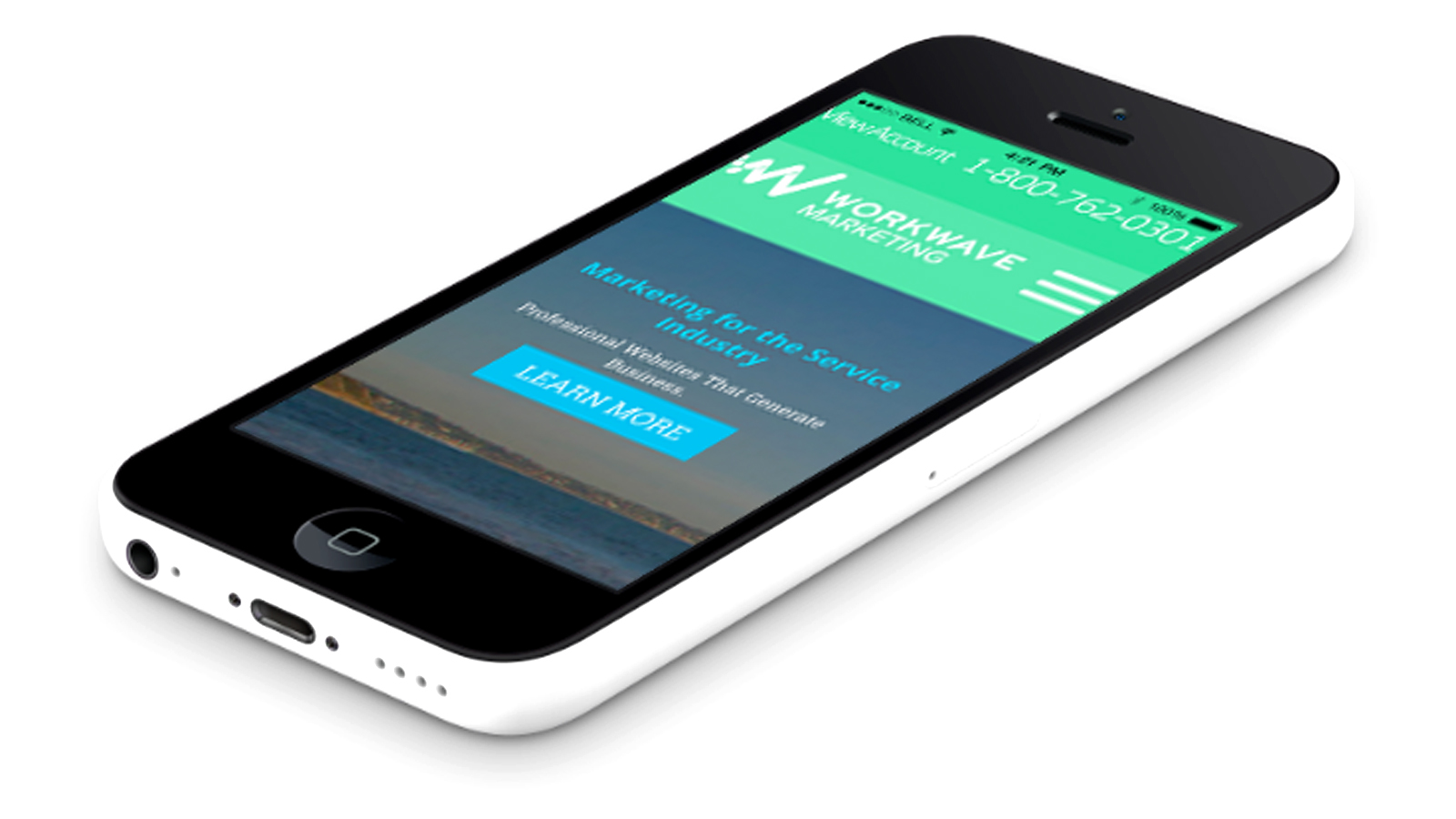
WorkWave, the leading SaaS provider for field service lead management and “last mile” fleet management, has announced the release of indigenously-built marketing automation tool services within its core offering – PestPac. The new WorkWave Marketing integration will enable its customers to track and manage all their leads at one centralized location using intelligent sales and marketing automation processes.

From a MarTech perspective, sales reporting and sales intelligence solutions on mobile integrated through WorkWave Marketing automation will allow companies to leverage Big Data and real-time analytics, improving conversion rates signficantly. The new tool on WorkWave Marketing allows sales and marketing teams dynamically analyze billions of data points – static and dynamic, enabling each member to identify the various scenarios and outcomes based on the client account. By integrating real-time analytics into sales intelligence CRMs, WorkWave users can derive actionable and quantifiable sales insights across the field service ecosystem.

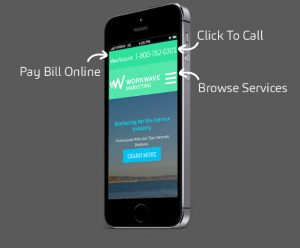
Marketing Automation via WorkWave

“Closing the lead to revenue loop and creating a true end-to-end field service management solution is a game changer for us and our customers,” said Chris Sullens, President and CEO of WorkWave.

“Since acquiring Refgo and ContactUs.com in 2015, we have been hard at work building a set of integrated tools to allow WorkWave customers to tightly manage the sales process, automate marketing and drip email campaigns and to gain full visibility into the growth engine of their businesses. With these tools, WorkWave’s PestPac customers can now calculate the true ROI of all marketing campaigns, both offline or online, without the spreadsheet gymnastics and (the) guessing currently required by third party packages today.”

WorkWave sees the new release as a medium for users to fluently generate optimized ROI from every customer and prospect. Clients can align with diverse customer goals to bring complete and total efficiency to the markets they serve.

“Adding Lead Management and Marketing Automation provides a single vendor solution that eliminates third-party integration headaches for our customers and makes it far easier for them to track and manage key performance metrics across their entire business,” said Malcolm Lewis, senior vice president of WorkWave’s Marketing Solutions.

Marketing Automation via WorkWave

WorkWave, formerly known as Marathon Data, develops software solutions for on-field workers – drivers, pest control inspectors, landscrapers, delivery services and so on. The cloud-based field service management company recently acquired Hawaiian GPS and telematics brand GPS Heroes in December 2016.

The latest announcement on PestPac integration from WorkWave comes just days ahead of the PestPac User Conference, scheduled for March 6-9, 2017, in Las Vegas. As the fastest growing fleet automation software firm, WorkWave offers tightly integrated mobile-first solutions, including WorkWave Service™, ServiceCEO™, WorkWave Marketing™ and ContactUs™.

As the MarTech territory gets more competitive, firms with B2C prospects are leaping forward with their own automation tools and integrations. 2017 is an exciting year for micro-segmentation of the present MarTech ecosystem.

Latest Snaplytics Report Offers Unique Insights on Snapchat Engagement Metrics

0
Latest Snaplytics Report Offers Unique Insights on Snapchat Engagement Metrics
via Snaplytics

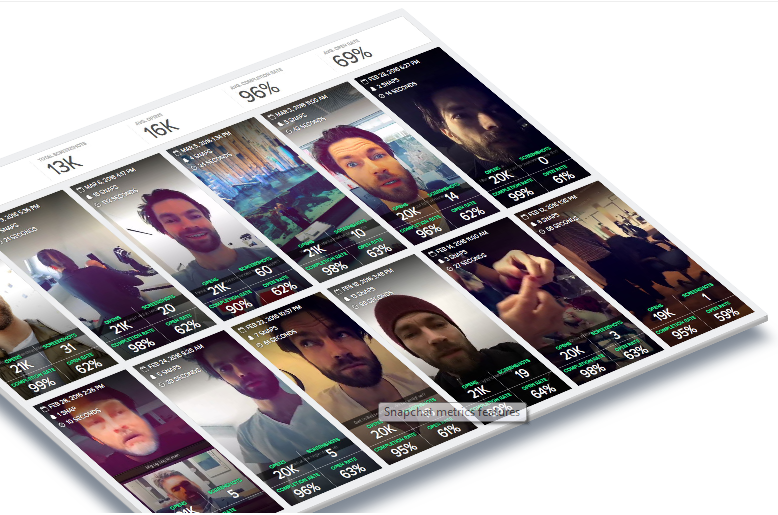
Snaplytics, the foremost analytics and marketing platform for social media insights, has released the most comprehensive survey on Snapchat data. The Snaplytics report combines insights from 500 brands with 24,000+ Snapchat stories and 217,000 Snaps. The purpose of the report is to enable organizations with powerful analytics on how to leverage Snapchat to improve audience reach and engagement at a more “eye level”.

 “Snapchat is unique because it allows businesses to connect with people in the moment and offer a different brand experience.” – Thomas Cilius, founder and CEO, Snaplytics.

Cilius added, “It’s the only social network where marketers aren’t seeing a decline in reach. With 161M daily active users on Snapchat, brands are quickly learning this is the go-to outlet because it allows them to engage their brand ambassadors and deliver content that really resonates with people, in real-time.”

In the recent months, Instagram Stories has stolen a major chunk of Snapchat’s audience. However, brand viewership at Snapchat continues be strong, even as B2B companies prefer to tell their brand stories via Snapchat Story.

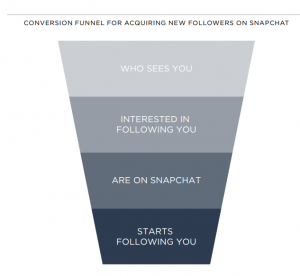
Snaplytics Cross-conversion Funnel for Snapchat Engagement

via Snaplytics
via Snaplytics

As brands are still figuring out the best way to incorporate Snapchat into their marketing toolbox, the Snaplytics report offers critical data regarding the experience these 500 brands are having with their Snapchat campaigns –

  1. 61% of the content assets posted by brands on Snapchat are videos, which represents 5% increase from the first quarter of 2016.
  2. 25% new followers on Snapchat used Snapcodes to complete action, while 9% used Deeplinks.
  3. A Snaphat Story enjoys an open rate of 54.8%; 87.5% of those watch the full Story.
  4. The number of snaps in a story averages around 11 snaps per update.
  5. Consistency in the ongoing activity is the key on Snapchat. Brands post, on average, content two times a week.
  6. Completion rate, or the number of people viewing the whole story, climbed to 88% compared to 84% the previous quarter.

Lessons From Snaplytics report on Snapchat Marketing

According to Piper Jaffray, Snapchat is the go-to audience engagement for marketers targeting millennial population. It beats other social media platforms with a handsome margin, accounting 35% share among the millennial audience.

“It is essential for marketers to be creative and build followers quickly since our research shows that recommendations and calls-to-action made through Snapchat are much stronger than what is accomplished with Facebook or Instagram,” Cilius continued.

The Snaplytics report on Snapchat engagement recommends –

  1. The best approaches to growing a follower base (followers find brands by Username 64% of the time).
  2. Marketers can gain more traction via cross-promotion of content across Twitter, Instagram, Pinterst, Twitter and Facebook.
  3. Youth brands and NGOs focus on creating longer Snapchat Story. Brands prefer posting twice a week, between Wednesday and Saturday, creating a potential to engage audience on Sunday and Monday.
  4. Marketers should identify the “golden ratio” for Snapchat posts. According to the report, 50% of all stories on Snapchat contain six snaps running for less than a minute.

By publishing this report, Snaplytics is offering the first-ever fully comprehensive analysis on Snapchat metrics and trends across industries and channels. The report features case studies from McDonalds Germany, Scary Mommy and BBC One, enabling marketers to learn how users find brands on Snapchat and the success rate of social campaign over the medium.

Infographics by Snaplytics

via Snaplytics
via Snaplytics

Tutela Study: Ads and App Charges Detrimental to Mobile App Monetization

0

According to the latest findings, 63% adult mobile users avoid mobile apps because of too many advertisements. The research was carried out by Tutela, the leading Canadian crowdsourcing and analytics monetization platform. The independent study reports mobile users in the US and UK are least likely to pay for apps or extra features on mobile.

“Users are up to four times more likely to favor apps collecting usage statistics (45%) than apps which they have to pay to download (17%) and apps which charge for full functionality (12%).”

“Revenue growth is a huge challenge for the mobile app industry. With thousands of new apps being created every day, users are overwhelmed with choice and can avoid or quickly churn away from apps requiring payments or displaying annoying ads,” says Tom Luke, Vice President of Tutela.

The study assessed 600 adults in the US and UK and was conducted via Google consumer surveys in January 2017. The survey findings reveal the potential of revenue from statistics collection models with 95% of mobile app users saying they would use an app which collects anonymous usage statistics.

Introducing Tutela Wireless Analytics Monetization Model for App Developers

Marketers are increasingly adapting mobile-first strategy to woo customers online, engaging them at multiple touchpoints – social, e-commerce, apps and videos. Despite a boom in mobile app downloads in 2016, developers are yet to hit the jackpot in terms of app monetization.

While most app developers continue to include in-app purchases to bring revenues, advertising on app platforms remains a sordid picture. Expectations from app marketing and the outcome are polarized, largely due to the price tag and the premium upgrades.

Enlightening mobile app developers on how to churn revenues from ad-centric models for apps, Tom says –

“This is where the Wireless Analytics Monetization (WAM) model can come in. Collecting signal strength statistics in the background can help mobile app publishers boost revenue without affecting user experience – while also helping to improve the world’s mobile 4G coverage”.

Going by its own admission, Tutela enables mobile app publishers to earn $100k to $3 million by helping in measuring wireless signal strength statistics around the world. As mobile apps look for enhanced monetizing opportunities, Tutela’s ingeniously built Wireless Analytics Monetization (WAM) can fulfill key app marketing aspects – app downloads, click-rates, app sales and advertising.

Leveraging Annonymous Data Monetization to Improve Revenues

The cardinal focus of any mobile app should be user experience. Mobile app developers are creating responsive, intuitive and AI-powered experiences to promote engagement. However, developers are still unaware of the potential of Anonymous Data Monetization (ADM). Though in its infancy, ADM is a critical factor in maintaining data anonymity, removing the need to do reverse engineering and re-attribution in the future.

via Tutela
via Tutela

By deploying ADM platform, marketers can monetize their app data in the long run, differently from their existing ad revenues. This allows app developers to ramp-up revenues in an incremental order without affecting the engagement with the user.

By partnering with the right ADM platform, app publishers can leverage competitive analytics to improve user experience and churn maximum ROI, even with limited cash and ad budget.

As app marketing moves into Location-based services and immersive experiences, ADM platforms will flourish in 2017- the year MTS reckons as “The Year of Real-time Information and Engagement.”