Home Blog Page 4200

PubWise Now Connects Publishers and Ad Networks to Google AdX

0
PubWise Now Connects Publishers and Ad Networks to Google AdX

Small- to Mid-Sized Companies Can Now Gain Access to Today’s Most Powerful Programmatic Advertising Tool

PubWise, a smarter header-bidding technology company providing a better way for publishers to manage ads and increase revenue, has expanded its publisher services by adding AdX to help bring small to mid-sized publishers and ad networks into the Google Ad Manager platform (recently rebranded to include what was previously known as the DoubleClick Ad Exchange).

The Ad Exchange is the most powerful programmatic tool available from Google, delivering a real-time marketplace for the buying and selling of display advertising across the internet. As a Network Partner Manager, PubWise is authorized to offer AdX to publishers and networks. The AdX service is available separately as well as offered as a part of the PubWise Monetization Platform.

Also Read: Google Ads Click Identifier Launched To Display Contact Information On All Ad Visitors

“Google AdX is a very powerful and essential programmatic advertising tool that every publisher needs,” said Stephen F. Johnston, Jr., founder and CTO of PubWise. “However, it’s often impossible for small- to mid-sized publishers and ad networks to gain access to AdX on their own because of Google’s strict criteria. At PubWise, we work with publishers and ad networks of all sizes, so we view this as another means to add value for a specific segment of online publishers.”

The benefits of the AdX service include the ability to:

  • Access Google’s premium inventory
  • Increase revenue
  • Establish floor prices
  • Set inventory configuration
  • Run Private Marketplace (PMP) deals
  • Utilize the experienced team at PubWise for support
  • Provide the best inventory for header-bidding dynamic allocation

Recommended Read: Google Bulletin Validates Vita Mobile Systems Crowdsourced, Geolocation Mobile App VITA

Highspot and Outreach Partner to Engage Buyers with Content at Scale

0
Highspot and Outreach Partner to Engage Buyers with Content at Scale

Highspot, powering modern businesses with the industry’s highest-rated sales enablement platform,  announced a new integration with the Outreach sales engagement platform. With this new integration, sellers can leverage Highspot’s AI-driven platform to bring relevant sales assets and content to Outreach’s best-in-class customer engagement and communication engine.

“Our integration with Outreach enables sellers to take their engagement strategy to the next level,” said Jon White, Vice President of Product at Highspot. “Now not only can reps continue using the platforms they love in one place, but they can deliver at scale the personalized conversations that modern buyers expect.”

Highspot and Outreach PartnerThe integration allows Outreach users to insert any content managed in Highspot—including decks, datasheets, case studies, videos and more—directly into emails, sequences, templates and snippets without needing to download locally. When choosing content to include, reps can leverage Highspot’s AI-powered recommendations for content, allowing them to maximize the impact of every buyer interaction. Sales teams can also ensure smart engagement tactics with Highspot’s end-to-end analytics that shows how each unique prospect is interacting with the content.

“We expect that the integration between Highspot and Outreach will be a powerful tool for our sales team,” said Sean Goldie, Director of Field Sales Enablement at Apptio. “From boosting productivity to reaching buyers with the right content at the right time, we are always striving for efficiency and excellence when engaging our buyer. This new partnership supports that strategy perfectly.”

With more than 50 certified integrations, Highspot naturally fits into sellers’ day-to-day workflows through seamless connectivity into sales and marketing apps, devices, platforms and other technologies that organizations already have in place. By providing sales reps with the ability to organize, find, and analyze assets, Highspot helps teams modernize and drive results.

“As our customers push to increase seller productivity, we are committed to equipping them with the solutions needed to close more deals,” said Jordan Greene, Director of Product Marketing at Outreach. “When sellers have to hunt for documents and guess where buyers are in the purchase process, the entire selling experience becomes inefficient. With Highspot and Outreach, our customers can address these challenges and provide an optimal experience for both buyers and sellers.”

Also Read: DirectMail2.0 Announces Partnership with Barometric to Provide ROI-Tracking for Direct Mail

Nielsen Marketing Cloud DMP Ties in With Snapchat’s Ad Buying Platform

1
Nielsen Marketing Cloud DMP Ties in With Snapchat's Ad Buying Platform

Advertisers and Marketers Can Now Create and Connect with Personalized Audience Segments Using Consumer Characteristics on Nielsen Marketing Cloud DMP

Nielsen has announced that its premium audience segments will be available on Snapchat’s ad buying platform. This integration will allow advertisers and agencies to buy inventory on Snapchat using Nielsen-branded audience segments through the Nielsen Marketing Cloud.

Recommended ReadContextual Content and AI: The New Wingmen for Email Marketing Campaigns

nielsen-_-Snapchat

The offering will allow clients access to audience data across more than 30,000 segments including Nielsen Buyer Insights and Nielsen Catalina Solutions, which are based on offline purchase data. Advertisers and marketers can now create and connect with personalized audience segments using consumer characteristics, including demographics, buying behavior and mobile behavior.

Read More: Key Martech-Focused Takeaways from Mary Meeker Internet Trends 2018

At the time of this announcement, Jessica Hogue, SVP of Digital Solutions at Nielsen, said, “Discovering the audiences that drive engagement and offline sales has never been more critical for marketers, and we’re excited to continue our work with Snapchat across both our premium audience segments and measurement solutions.”

Jessica added, “This integration with Snapchat will allow partners to plan, activate and analyze marketing initiatives by accessing the highest quality audience data in the market underpinned by Nielsen.”

Recommended ReadInfluencer Solutions Will Become a Core Component of the Marketing Stack

Snapchat’s integration will additionally allow Nielsen Marketing Cloud Data Management Platform (DMP) clients to take advantage of their first-party data segments and target them directly on Snapchat’s platform.

Snapchat’s use of Nielsen Data as a Service (DaaS) audience segments is the latest expansion of Snapchat’s collaboration with Nielsen. Snapchat currently uses Nielsen measurement solutions across Reach, Resonance, and Reaction KPIs and will now have the ability to align activation segments with ROI measurement solutions such as Nielsen Buyer Insights and Nielsen Catalina Solutions Sales Effect studies.

Read More: Follow That Puck: Multi-Channel, Multi-Location Marketing Is Moving into the 21st Century… Are You?

The collaboration between the two companies dates back to 2014 with Snapchat’s adoption of Nielsen Digital Ad Ratings. In addition to offering third-party data from the Nielsen Marketing Cloud, Snapchat allows buyers and sellers to use Nielsen audience segments to continue demonstrating the sales lift from campaigns running through Snapchat across categories including fast-moving consumer goods (FMCG), retail, auto, finance, travel, and technology.

Read More: Fractal Analytics Humanizes AI: Acquires Behavioral Architecture Firm Final Mile

Trusted Media Brands Names Randy Saperstone V.P. Digital Sales

0
Trusted Media Brands Names Randy Saperstone V.P. Digital Sales

Former Meredith and Time Executive to Lead Digital Ad Sales; Company Further Expands Digital Sales, Marketing and Management Team

Trusted Media Brands, a leader in brand-driven multi-platform media content, and home to iconic brands such as Taste of Home, Reader’s Digest, and The Family Handyman among others, announced the appointment of Randy Saperstone to the new position of Vice President, Digital Sales for the company effective July 16, 2018.

He will be based in the company’s offices on Third Avenue in New York City, reporting to Zach Friedman, Chief Revenue Officer.

Zach Friedman
Zach Friedman

Saperstone most recently served as Executive Director, Home Category Digital Sales at Meredith where he lead a national digital sales team that was responsible for driving revenue across the company’s Custom Content, Video, Display, and Programmatic channels.

Also Read: Trusted Media Brands Names Larry Mlawski VP of Revenue Operations

Previously, Saperstone served as Director, Strategic Partnership Sales for Realtor.com, where he created and sold custom branded content solutions across multiple platforms integrating Realtor.com, Remodelista, & Dow Jones digital media. He was responsible for writing, producing and marketing “The Big Move,” which was Realtor.com’s first branded content video series. Under his leadership, he also conceived and created the company’s first integrated custom short form videos “Tiny Tips” & “Petite Projects,” which reached an audience of 55 million monthly UVs.

He held senior sales and planning roles with Scripps Network Interactive including Advertising Sales Executive, and Manager, Planning and Pricing among others. His client work included multi-platform programs with such well-known brands as Lowe’s, IKEA, Audi, Scotts, The Home Depot, Benjamin Moore, Pella, and DISH Network among others.

“Randy is one of the most innovative and creative digital sales leaders in the media industry,” says Friedman. “He brings together the unique ability to conceive and create highly effective custom digital programming solutions for clients with a strong leadership vision for digital sales teams and businesses that fully leverages media brands and assets.”

Jason Sinclair
Jason Sinclair

Friedman says that Saperstone’s addition to the Digital Sales and Marketing team at Trusted Media Brands reflects the company’s incredible growth and momentum in the marketplace. In the last month, the company has added several key media industry leaders including Jason Sinclair, V.P. Marketing, Scott Mulqueen, V.P. Programmatic and Data Product Operations, and Larry Mlawski, V.P. Revenue Operations.

Also Read: Trusted Media Brands Launches Marketing Insights Lab

“We believe our deep portfolio of premium brands provides marketers exactly what they are searching for in their desire to connect with consumers in brand safe, content driven environments,” says Friedman.

Friedman notes for example that Trusted Media Brands’ digital properties hit record performances for the month of May, reaching an audience of 56.6 million unique visitors (UVs), reflecting a 25.6 percent increase over the same period last year.

Randy Saperstone
Randy Saperstone

Based on the comScore rankings, the Trusted Media Brands Digital network is among the top 26 out of over 1,600 digital lifestyle networks. According to the comScore reporting, four out of five consumers are now reaching the Trusted Media Brands Digital network through their mobile devices.

“I’m looking forward to joining the Trusted Media Brands’ team during this exciting time for the company and to further expand its digital sales team,” says Saperstone. “The company has an incredible portfolio of brands and digital content which present tremendous opportunities for marketers to engage in many creative ways with these highly desirable audiences.”

Recommended Read: PubNative Partners with The Media Trust to Combat Bad Ads

Dialing In On The Importance of an Omnichannel Strategy – Wireless Retailers Expanding Store Fronts

0
Dialing In On The Importance of an Omnichannel Strategy – Wireless Retailers Expanding Store Fronts

PhobioOftentimes, upgrading to the latest wireless technology can be frustrating, time-consuming, and expensive. Upgrade eligibility and the condition of an old device will dictate the customer’s urgency to explore purchasing a new device.

A flexible, omnichannel trade-in platform can revolutionize the way consumers and businesses upgrade to the latest technology and provide a unique and consistent customer experience across all channels.

The Changing Role of Retail

E-commerce has created a world of convenience and customers are demanding that convenience in all aspects of retail.

More so, they’re drawn to the flexibility of omnichannel experiences. Retailers have started shifting toward synchronizing the physical and digital worlds, especially in the mobile retail market allowing wireless retailers to deliver a better customer experience, reduce churn rate, and increase spending power and revenue opportunities.

Consumers can purchase a new device and start an upgrade online and then immediately go to their local retailer to pick up the new device in person. This allows them to migrate important data at home, and either drop the old unit off in a brick-and-mortar store or drop it in the mail.

By leveraging device trade-in, wireless retailers can help facilitate the upgrade process and manage new customer acquisitions. When selecting a trade-in partner, it’s imperative for wireless retailers to choose a vendor that improves the experience, not burdens it.

Also Read: Embracing the Bow-Tie Funnel: Why Marketing is Most Important After the Win

The Value of the Omnichannel Experience

By integrating and aligning channels, wireless retailers can reduce the cost of trade-in programs by avoiding the shipping of materials and drive traffic into their physical locations to upsell/cross-sell opportunities. This key differentiator creates a competitive advantage for retailers and disrupts the status quo for online-only retailers alike.

Customers, on the other hand, don’t have to go through the process of receiving boxes, packaging and shipping the device, and then waiting for their credit. Trade-ins put money into customers’ wallets that they otherwise wouldn’t have, and present customers with the opportunity to purchase newer devices and accessories in-store or online at a reduced cost.

Also Read: Lessons B2B Brands Can Learn from Direct-To-Consumer Disruption

The Omnichannel Advantage

Utilizing brick and mortar locations in conjunction with virtual storefronts not only put your customers in control and at ease, but this can also serve as a competitive advantage against the big online players. While e-commerce has driven new customer expectations in wireless retail, many online retailers don’t have physical locations, thus can’t fulfill transactions immediately.

An omnichannel strategy truly proves to be advantageous for retailers, as a study conducted by Harvard Business Review revealed that 73% of consumers use various channels during shopping journeys. Customers spend 4% more time in retail when using multiple channels during their shopping journey. It’s estimated that by 2020, 56% of retailer locations will become hubs for omnichannel fulfillment.

The appeal of newly released devices and simplicity of multi-channel retail options will continue to drive engagement of core shoppers when it’s time to trade in those devices, draw them to the physical store, and put money and/or a new device in their hands.

Omnichannel retailing is moving the needle towards a completely new reality of retail.

Also Read: 4 Classic Real Estate Marketing Tactics Reimagined for Social Media

Mantis Vision Raises $55 Million in Series D Funding, Announces Joint Venture with Luenmei Quantum Co. Ltd.

0
Mantis Vision Raises $55 Million in Series D Funding, Announces Joint Venture with Luenmei Quantum Co. Ltd.

Mantis Vision’s Series D Financing Led by Luenmei Quantum Co. Ltd. and Samsung Catalyst Fund

Mantis Vision, a leading provider of advanced 3D sensing, volumetric content acquisition and sharing technologies, announced the closing of its Series D round of $55 million with a total investment of $83 million to date. New funds will serve to extend the company’s technological edge, accelerate Mantis Vision’s go-to-market strategy, expand its international workforce and support external growth opportunities. The Series D investment was led by Luenmei Quantum Co. Ltd., a new investor in Mantis Vision, and Samsung Catalyst Fund, an existing shareholder of the company. Mantis Vision and Luenmei Quantum Co. also announced the formation of a new joint venture, “MantisVision Technologies”, to further strengthen Mantis Vision’s position and growth in the Greater China Market.

Founded and headquartered in Israel, Mantis Vision offers advanced 3D content capture and sharing technologies for a wide array of applications – from 3D cameras for smartphones, industrial/professional grade 3D camera/scanners, and up to a live 3D Volumetric studio. Under this new round of funding, Mantis Vision will be able to extend its R&D efforts by advancing today’s state of conventional 3D technology to new heights with its 3D sensing technology.

Also Read: MANTIS to Disrupt Online Advertising Industry With Video Vetting AI Technology

The creation of “MantisVision Technologies” will strengthen Mantis Vision’s position in the Greater Chinese market. With operating offices in Beijing and Shanghai, the JV will further support the introduction of Mantis Vision’s products and technology and provide localization, local sales and support functions in the region.

Mantis Vision is planning to double its global workforce with an additional 140 employees in Israel, US, China and Slovak Republic by the end of 2020. As part of the latest series funding, Mantis Vision will expand its pool of talent engineers for advanced R&D algorithmic research in computer vision and deep learning, advanced optics experts, mobile camera engineers, 3D apps developers and 3D Volumetric studio experts amongst other open positions in program management and business development. Opportunities for global scale are already underway with Mantis Vision and smartphone maker Xiaomi’s latest partnership to implement Mantis Vision’s 3D camera technology in recently announced Xiaomi’s new premium flagship smartphone, the Mi8.

According to Mr. So Chong Keung, Luenmei Quantum Co. Ltd. President and GM: “Luenmei Quantum is closely following the Israeli high-tech industry, which creates outstanding technology. Mantis Vision’s versatile and advanced 3D technologies is well positioned and suited for mobile, secure face ID applications and entertainment industries in China. We found that Mantis Vision is the right match for Luenmei Quantum, combining hi-tech, innovation and passion.”

Also Read: Carusele Revolutionizes Influencer Marketing With Engaged Audience Profiles

David (Dede) Goldschmidt
David Goldschmidt

According to David Goldschmidt, VP and Managing Director of Samsung Catalyst Fund: “We humans sense the world in rich 3D. However, current camera technology is 2D, limiting the ways we communicate and create content. It also limits capabilities of machines to do more for us. Mantis Vision is leading the way toward 3D sensor tech that is small in form factor and low-cost enough to be widely deployed in devices of all kinds. In the future, high-resolution 3D imaging will make for everything from smarter vacuums and safer vehicles, and everyday consumers will become 3D content creators. The possibilities are practically limitless.”

Gur Arie Bittan
Gur Arie Bittan

According to Gur Arie Bitan, Founder and CEO of Mantis Vision: “This latest announcement is another proof of Mantis Vision’s meteoric advancements in this recent period, technologically and business-wise. We regard our continued partnership with Samsung Catalyst Fund and Luenmei Quantum Co. as a strategic partnership and thanks to our new joint venture, we will be able to further strengthen our grip in the Greater Chinese market.”

Recommended Read: Oracle Responsys Introduces the SMS Public Aggregator Network (SPAN) for Mobile-First Economy

The Gordon Flesch Company Introduces AskGordy, a Virtual Assistant That Delivers Artificial Intelligence-Based Search Technology to Electronic Content Management Systems

0
The Gordon Flesch Company Introduces AskGordy, a Virtual Assistant That Delivers Artificial Intelligence-Based Search Technology to Electronic Content Management Systems

The Gordon Flesch Company Has Partnered with IBM to Integrate Watson A.I. and Natural Language Processing Capabilities into Any Electronic Content Management Platform

The Gordon Flesch Company’s brand-new AskGordy application helps solve one of the thorniest problems in document management – how to make the exploding volumes of data buried in corporate Electronic Content Management platforms searchable, accessible, and more useful.

The Gordon Flesch Company, Inc., one of the nation’s leading independent providers of office technology, is proud to announce that its first, home-grown solution to make corporate data more accessible and actionable is now available. With AskGordy, GFC now delivers a solution that will deliver the power of IBM’s Watson, the world’s most mature artificial intelligence platform, and integrate it into any ECM platform. Best of all, AskGordy users can search their data sets using voice commands and have results returned to any platform, whether it is a computer, tablet, or mobile phone.

Also Read: IBM Launches Watson Data Kits to Help Accelerate Enterprise AI Adoption

WHO, OR WHAT IS GORDY?

It is estimated that as much as 85 percent of all data stored in documents is not searchable and is considered “dark data.” AskGordy is the Gordon Flesch Company’s interactive Watson application for bringing dark data to light from any Electronic Content Management (ECM) and document storage repository. The application brings Watson’s Cognitive capabilities to ECM databases and services using Watson Discovery, Knowledge Studio, and other Watson APIs and addresses the barriers that have stymied others:

  • Support for Multiple Import Sources – Our proprietary front-end ingestion system permits documents from any vendors to be directly processed and indexed.
  • Reduce the need for Subject Matter Experts – By using speech recognition and natural language processing, Gordy can be trained to find information for any user in massive data sets much like Alexa and Google Assistant can do via the Internet.
  • Scalability and Expansion – the application can process data multiple sources, even if data is expanding at high volumes.

Also Read: IBM Is Helping Wimbledon “Prepare for Greatness” in 2018

Jeff Dotzler
Jeff Dotzler

AskGordy is the first and only cognitive system that is platform agnostic and is accessible to all users, regardless of sophistication. Each query trains the system to become smarter, thus more responsive and aware of the user’s needs and interests.  In short, the system gets smarter and more powerful with each use. “We’ve been hearing from our customers that they are spending a lot of money on advanced ECM technology, but were frustrated by the fact that they were not able to get the full value of their proprietary data,” says Jeff Dotzler, Vice President of GFConsulting Group. “We were unable to find a cost effective and powerful tool to help solve that crisis, so we partnered with IBM and built it ourselves.”

The Gordon Flesch Company is thrilled to have been able to leverage the power of the Watson platform to make AskGordy possible. While some ECM vendors have promised to bring artificial intelligence, machine learning, and cognitive learning systems to their platforms, none of these systems have the depth of research behind them as found in Watson, and all of them are limited to searching documents found within their own ecosystem.

Recommended Read: IBM Helps Accelerate AI with Fast New Data Platform Cloud Private And An Elite Team

Weber Shandwick Acquires Social Creative Agency That Lot, Taking Multi-Platform Storytelling to the Next Level

0
Weber Shandwick Acquires Social Creative Agency That Lot, Taking Multi-Platform Storytelling to the Next Level

Together Weber Shandwick and That Lot Create Regional Social Powerhouse

Weber Shandwick, one of the world’s leading global communications and marketing services firms, has acquired That Lot, an award-winning social creative agency based in London. Effective immediately, the deal combines Weber Shandwick’s expertise in integrated communications, data & analytics and social strategy, with That Lot’s specialties in social-first, platform-specific content and production.

Weber Shandwick and That Lot will, together, become one of the largest teams of social specialists in the region, bringing cutting-edge social and digital solutions to EMEA and global clients. Terms of the deal were not disclosed.

Andy Polansky
Andy Polansky

“That Lot are at the forefront of creating innovative and compelling social creative for a range of brands and businesses,” said Andy Polansky, CEO, Weber Shandwick. “This new partnership is another example of how we continue to add creative firepower in the UK and beyond.”

That Lot works with some of the UK’s largest brands including Channel 4, B&Q, Jamie Oliver and Have I Got News For You. The agency was founded in 2014 by actor, writer, director and social media expert David Schneider (of “The Day Today” and BAFTA-nominated “The Death of Stalin”), Digital Emmy-winning writer and social content pioneer David Levin, and managing director David Beresford. That Lot’s diverse talent roster includes social-first creatives, designers, writers and videographers as well as a team of social-first project managers and account teams led by Laura Tannenbaum, formerly a social and marketing specialist at Bauer Media, News UK and Global Radio.

Also Read: Attunity Awarded Renewed Supplier Status on UK Government’s Digital Marketplace for G-Cloud 10 Framework

Rachel Friend
Rachel Friend

“Reaching customers via social media is business critical for many of our clients, but to make it work, you need to ensure you truly engage and create impact,” said Rachel Friend, UK CEO, Weber Shandwick.  “When combined with our existing capabilities and expertise, including the mobile platform and social solutions of our Flipside business, we believe we have a proposition that stands us out as leaders in cutting-edge social media thinking.”

“We’re passionate, maybe even slightly obsessive, about understanding and adapting to the way audiences use social media to ensure our clients cut through on the right platforms and engage with their audiences brilliantly,” said David Levin, co-founder of That Lot. “And a lot of that is about telling powerful human stories. It was obvious to us that Weber Shandwick excels at creating engaging campaigns fueled by world-class audience research, strategy and data. That’s why we felt they were the perfect partner to help us continue to develop and globalize our business.”

Weber Shandwick’s acquisition of That Lot follows the firm’s acquisition of London-based mobile specialist agency Flipside in 2016, making its London operation a network hub for leading digital expertise. Weber Shandwick also recently expanded its digital creative content capabilities in Brazil with the acquisition of digital marketing firm Cappuccino in May 2018. In December 2017, Weber Shandwick brought on two leading digital firms – Bomoda and Resolute Digital – to further ground its capabilities in data & analytics and performance marketing.

Recommended Read: Zone·tv Studio Introduces a Revolutionary AI-Powered Predictive Personalization Platform

TechBytes with Nishant Khatri, VP Product Management, PubMatic

0
Nishant Khatri

Nishant Khatri
VP Product Management at PubMatic

In a programmatic ecosystem, the rise of header-bidding and fraud control measures is unprecedented and attracts more eyeballs than any other ad tech solution. Owning your programmatic solutions offers incredible benefits. Last month, leading SSP for digital advertising, PubMatic, unveiled the PubMatic Cloud for Publishers and tech companies. This would enable PubMatic’s customers to achieve full transparency and achieve greater control over their programmatic monetization. Nishant Khatri, VP, Product Management, PubMatic discusses the company’s short and long-term product roadmap and few key takeaways from the recently published PubMatic Quarterly Mobile Index (QMI) Q1 2018.

Html code here! Replace this with any non empty text and that's it.

Tell us about your role at PubMatic and the team and technology you handle.

I have been with PubMatic since 2015 and currently serve as VP of Product Management. I oversee the teams that focus on developing solutions for header bidding and wrappers, ad serving, quality (both ad and inventory quality), as well as mobile advertising.

What is the state of automation for Digital Advertising? What does your product roadmap for 2018-2020 look like?

Programmatic advertising is continuing to become the dominant force in digital advertising, with eMarketer estimating that four in five US digital display dollars will be spent on automated channels in 2017. Much of this growth is the result of brand ad budgets flowing to digital. The market shift has also resulted in the digital ad tech ecosystem moving towards a focus on transparency, quality, and publisher control. Additionally, we are seeing a move towards automation to further address these industry-wide concerns. In order to scale effectively, digital advertising will see a continued move towards automating critical processes to maintain compliance, improve analytics and more.

At PubMatic, we are continuing to address the changing market needs with products that help publishers and advertisers prepare for the automated and programmatic future. Our roadmap includes growth in existing technology, such as header bidding for more channels; investment in partnerships with MRC-accredited vendors to ensure ad and inventory quality; development of automated tools to improve our clients’ ease of use; and of course, innovating solutions for the future needs of digital advertising.

What are the key takeaways for advertisers from your recently published PubMatic Quarterly Mobile Index (QMI) Q1 2018?

Our most recent QMI shows that in-app and video monetization are the most important areas of opportunity for publishers and advertisers in the next 12-18 months, given that consumer interest and engagement is highest for those categories.

For in-app, our data showed quick growth in-app advertising last quarter. In reviewing PubMatic’s inventory, the US saw the largest growth with an increase of 90% YOY in Q1. The verticals that saw the most growth, up to triple-growth rates, were technology, news, and entertainment and leisure.

PubMatic expects video monetization to become more mobile-driven. Mobile video ad spend in Spain, Australia and the US, for instance, rose by double-digit rates in Q1 2018. However, given the growing number of mobile video viewers in markets like India, for example, we expect to see significant mobile video ad spend growth in more nascent markets soon.

How could marketing teams better utilize these findings to improve their customer conversions from mobile advertising?

The Q1 2018 QMI highlights the relevance mobile devices hold for marketers. In fact, mobile app impressions monetized through the PubMatic platform rose 84% YOY worldwide in Q1 2018, tripling the 28% YOY growth in mobile web volume.

Marketing teams should continue to focus on the mobile experience, particularly personalization, connectivity and protection of battery life when using the app. With the projected continued growth for mobile app use, a positive user experience will be vital to increased customer conversions.

Tell us about PubMatic Cloud?

PubMatic Cloud is a newly released customizable platform-as-a-service (PaaS) that provides publishers the benefits of a proprietary solution, out of the box. This platform was developed in response to the industry-wide trend we are seeing of publishers bringing programmatic technology in-house. In fact, AdWeek estimates 86% of brands plan to take some of their programmatic spend in-house in the coming months.

While this could result in more publisher control and auction transparency, it presents new risks of inefficient rev share models and taxing internal resources to maintain the technology. PubMatic Cloud offers publishers an alternative, quickly providing a fully-supported and DSP-integrated programmatic solution. It allows publishers full transparency, complete control of user experience and a more efficient infrastructure to improve monetization.

To what extent can digital advertising analytics further boost ad-driven sales?

Analytics is the backbone for marketing technology, especially when it comes to programmatic advertising. We believe analytics empower advertisers to make smarter decisions with real-time intelligence, visibility into campaign performance, and easy-to-use reporting that can improve return-on-ad spend (ROAS). PubMatic also makes detailed information available on the success of advertising tactics across ad formats, channels and screens. These real-time insights allow advertisers to optimize transactions and improve monetization.

How do you work with Data Science and AI/ML to improve your adtech platform?

We use data science and machine learning to develop complex algorithms to solve difficult non-linear problems. The focus is on real-time bidding related problems including recommendations for the best floor value for publishers, bid throttling, predicting traffic, and estimating unique users.

We use data science and machine learning techniques to look at large amounts of data to solve these problems. PubMatic collects the appropriate data, transforms it, researches algorithms, develops and studies prototypes and models, and then we produce solutions. There is always a trade-off to make between the research we do in developing algorithms and the production of the solutions. Finding this balance, and future-enabling our platform with these processes, allows us to provide quality experiences for our partners.

Thanks for chatting with us, Nishant.

Stay tuned for more insights on marketing technologies. To participate in our Tech Bytes program, email us at news@martechseries-67ee47.ingress-bonde.easywp.com

Kleiner Perkins, Shasta Ventures, Sinai Ventures Invest $1.7 Million in Popular Video Maker Kapwing

0
Kleiner Perkins, Shasta Ventures, Sinai Ventures invest $1.7 Million in Popular Video Maker Kapwing

Company Founded by Two Former Googlers Aspires to Make Short-Form Video Production a Quick, Intuitive Task for Everyone Rather Than a Specialized, Full-Time Profession

Kapwing, the popular video editing website, announced that it has raised $1.7 M seed round to expand its online video editing platform for casual creators. The round was led by Kleiner Perkins with participation from Shasta Ventures, Sinai Ventures, Village Global, Shrug Capital, and ZhenFund. The funding will be used to accelerate Kapwing’s product development and fund growth activities.

Founded in October of 2017, Kapwing is a free online video editing suite for modern media. The website has quietly become the internet’s most popular meme maker and a leading tool for trimming, subtitling, and resizing videos for social media. More than 100,000 people use Kapwing every month, publishing more than 4000 videos daily. Designed to empower casual creators with no video editing expertise, Kapwing users can simply and easily create formats like vertical video, stop motions, collages, and loops for YouTube, Instagram, and Reddit from any device.

Also Read: Pendo Introduces Pendo Vox to Democratize Access to the Net Promoter System

Mamoon Hamid
Mamoon Hamid

“We’re excited to be part of Julia and Eric’s efforts to modernize video creation. Video is an increasingly popular consumer medium, and Kapwing makes it easier for creators to produce and publish video at scale,” said Mamoon Hamid, General Partner at Kleiner Perkins.

Unlike Adobe or Apple software, Kapwing doesn’t require users to install software or sign in and can be accessed on a Chromebook. The browser-based website helps casual creators like students, artists, nonprofits, agencies, and social media managers at companies like Dubsmash. The State of Arkansas plans on piloting Kapwing in K12 classrooms this fall, and the American Association of School Librarians (AASL) recently recognized Kapwing as one of the 2018 Best Websites for Teaching and Learning. So far, all of Kapwing’s growth has been organic, driven by word-of-mouth traffic and the site’s popular blog on entrepreneurship.

Eric Reiner
Eric Reiner

“As video consumption shows accelerating growth across platforms, Kapwing is well-positioned to address a massive market of creators,” Eric Reiner, partner at Sinai Ventures, said, “We believe Julia and Eric’s experience at Google and the recent explosive growth of the Kapwing user base suggests a bright future for the business. We are ecstatic to support this humble, determined, and product-obsessed team.”

Kapwing grows with the surging trend of short-form video. With the launch of IGTV and video support on platforms like Imgur, content creators are publishing more video than ever and shifting towards new formats that are difficult to create with today’s professional editing software. Despite consumers’ preference for video, video production is the most expensive creative skill and the most often outsourced marketing task. Emarketer reports that, in 2017, companies spent $135 billion on video for social media.

Also Read: GroundTruth Appoints New SVP of Engineering Amit Goswami

“Kapwing has made video editing an easy task. Now, even casual video makers can create and share high quality videos,” said Wei Jiang, the ZhenFund partner, “This will unleash amazing amount of creativity.”

Julia Enthoven
Julia Enthoven

Founders Julia Enthoven, CEO, and Eric Lu, CTO, worked together at Google Image Search before leaving to start Kapwing to make short-form video production a quick, intuitive task for everyone rather than a specialized, full-time profession.

“Big companies have ruled the video creation software industry for years, but the leading products are still slow, hard to use, CPU intensive, and offline,” says Julia, the CEO of Kapwing “We’ve simplified video editing by unbundling the tasks. Since we’re millennial creators ourselves, we bring product insight about what the new generation wants to make and watch.”

Recommended Read: Walmart Establishes Strategic Partnership with Microsoft to Further Accelerate Digital Innovation in Retail

Coveo Named a Leader in Gartner Magic Quadrant for Insight Engines Again

0
Coveo Named a Leader in Gartner Magic Quadrant for Insight Engines Again

Coveo Believes Its Placement Recognizes Its Great Potential and Business Value of Combining AI and Search Technology for Customers

Coveo, a recognized leader in predictive search and relevance, announced that Gartner, Inc. has positioned the company as a Leader in its 2018 Magic Quadrant for Insight Engines report. Coveo has appeared in the Leaders quadrant of this Magic Quadrant since its inception.

The 2018 Magic Quadrant for Insight Engines report evaluates providers on their completeness of vision and ability to execute. Coveo is positioned again furthest on the completeness of vision axis, which the company believes is due to its massive commitment to R&D, delivering an easy-to-deploy solution, showing near immediate increase in organizational relevance and business value, and enhancing digital experiences for customers, employees and partners alike.

According to Gartner, “Insight engines augment search technology with artificial intelligence to deliver insights — in context and using various modalities — derived from the full range of enterprise content and data.”

Also Read: Coveo Announces Spring 2018 Release

Louis Tetu
Louis Tetu

Chairman and CEO of Coveo, Louis Tetu, comments, “We are thrilled to be recognized as a Leader in the Gartner Magic Quadrant for Insight Engines again.” Tetu continued, “Coveo’s innovation has been recognized by analysts and customers alike for years. To be recognized in this report, positioned furthest in completeness of vision since the inception of this Magic Quadrant, we believe, is a true reflection of our continued R&D investment and rich understanding of the needs of leading organizations to personalize digital experiences with AI, and how search is critically important to reach data and turn it into relevant recommendations to users.”

Coveo’s many customers leverage the company’s AI-powered search and relevance to realize their business goals across a multitude of use cases, including customer service, website search, ecommerce, partner and employee portals, as well as in-product search. More than enabling and enhancing specific use cases, Coveo unifies a user, employee or customer experience and interaction data across all touch points, and through AI ensures every interaction is contextual and relevant, building on the insight generated from the sum total of those different points of contact.

Braden Larmon
Braden Larmon

Trusted partner of Coveo, Braden Larmon, VP Global Alliances at Appirio commented, “Coveo is on a mission to make business personal and continues to evolve, to the latest trends and emerging technology, to do just that. Our joint customers are seeing tremendous value in Coveo as their insight engine beyond initial use cases, which have helped them to achieve significant business results. Both Appirio and our customers are delighted to be working with a Leader in Gartner’s Magic Quadrant for Insight Engines.”

Recommended Read: Coveo Announces $100 Million Investment Led by Evergreen Coast Capital


AceBot Launches Emotion AI Based Surveys To Tackle Survey Fatigue

0
AceBot Launches Emotion AI Based Surveys To Tackle Survey Fatigue

AceBot, an AI based conversational survey tool, introduces emotion understanding capabilities to survey conversations. This enables users to tag sentiments of respondents and ask personalized follow up questions based on that sentiment.

Emotion AI can be enabled by users for any open ended questions with a simple check box.

All done on one survey, all done in real time!

Why should companies switch to emotion based conversational surveys?

Survey fatigue has been the most common problem faced by companies that run surveys. The surveys are too long or too personal or just too many questions, resulting in survey fatigue.

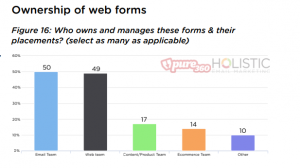
The most common method used to run surveys, i.e. web forms, don’t really address this issue but add to the survey fatigue with its monotonous and clinical approach to surveys.

The root of the problem lies in lack of engagement with the respondent.

Also Read: HubSpot Launches Marketing Hub Starter to Give Growing Businesses the Tools They Need

Several studies have already outlined the solution to this widely known problem. Switching to conversational surveys and artificial intelligence can result in increase of response rates up to 85% as compared to standard web forms.

To further add to providing better survey experience to each customer, emotion based personalized surveys are a necessity going forward.

Simply because a cappuccino person would never drink espresso!

What can you do with AceBot’s Emotion AI?

AceBot’s Emotion AI allows users to create multiple question branches in a single survey that personalizes the experience of a respondent based on their sentiment tagged in real time. AceBot has not only eliminated the manual task of tagging the response type, but also combined the effort of running multiple surveys into on

Among a plethora of features, AceBot’s conversational tool also allows multiple formats (image, text & video) to be used in surveys and the questions can be of multiple types as well, such as options, multi-select, rank, emoji scale etc.

Recommended Read: GroundTruth Appoints New SVP of Engineering Amit Goswami

Interview with Jon Lee, CEO and Founder, ProsperWorks

1
Jon Lee

[vc_wp_text]“Successful companies manage data better than unsuccessful ones. That said, larger enterprises, by definition, have more data.”[/vc_wp_text]
[easy-profiles profile_twitter=”https://twitter.com/jonleepw” profile_linkedin=”https://www.linkedin.com/in/jonleepw/”]

Tell us about your role at ProsperWorks and how you got here. What inspired you to find a CRM platform?

I’ve been an entrepreneur since I was 26 years old. I started an AdTech company that I sold at 28, traveled for a year, and then founded DNA Games which I later sold to Zynga. I decided to start ProsperWorks while I was in between companies and gave some thought to the meaning of my life and what I wanted out of it. When I was younger, my main goal was to make money, but as I grew up, I realized I was looking for more than just that. I started ProsperWorks so I could give back and make the world a better place by helping businesses be more successful.

I saw that CRM was the largest, fastest-growing space in software technology. Having used incumbent CRM systems in the past, I noticed they didn’t work because of a major data problem. When there is bad data in a CRM, automation breaks down and you’re unable to forecast numbers. I decided to create a simple-to-use CRM system that works for you by automating data entry, integrating into digital tools (such as Slack or Trello) and makes recommendations for customers. My ultimate goal is to help businesses be more successful by driving more sales.

What’s the most fascinating aspect of leading a sales-focused company in a tech-heavy ecosystem?

The most exciting aspect is that people understand technology can transform a business. There are so many new tools that can improve sales productivity and the sales ecosystem is constantly bringing in new tech when it comes to the CRM and customer service spaces. These solutions create new ways to solve old problems. It’s been exciting to watch the rise of AI usher in a new era of leveraging valuable data from multiple sources to drive business success.

Given the changing dynamic of marketing analytics and customer insights, how do you stay on top of your game?

At ProsperWorks, I make sure we stay on top of the technology and techniques that provide solutions to allow our customers to be more productive. The rise of AI and API integrations have allowed us to provide next-gen technology that’s focused on customer success. We also incorporate and use productivity suites that transform the way we work by being more collaborative.

ProsperWorks is designed to keep people on their game and be more organized by bringing all the critical business data into one single place. Having a single source of valuable data and insights is the key to success so we don’t waste time digging for information and logging into multiple, cumbersome work systems.

What is the ‘State of CRM and Lead-generation tools” in 2018?

The current state of CRM is broken. A Forrester report found that 35% of respondents have experienced  CRM failure due to data problems, functional shortfalls, lack of skills to implement, system performance and poor usability. The truth is, incumbent, clunky CRM systems haven’t evolved with the advancement of technology such as AI or machine learning. Current lead-generation tools haven’t caught on to the fact that old techniques don’t work anymore. Cold calling is a hard technique and doesn’t yield results, Email is more challenging than ever and account-based marketing is expensive. It’s now more difficult to reach the customer, especially when multiple people are involved in the life cycle of a sale.

The sales landscape has completely changed – we have mobile workers who expect intuitive tools to be available in the workplace. Tools that will make companies productive in the Relationship Era will focus on building lifelong relationships with the sales representative and ultimately with the brand.

How has the SF tech industry evolved since the time you first began?

I’ve been an entrepreneur since 2005, and the San Francisco tech community has changed dramatically since then. After the dot-com bust, many talented people were chasing the banking and strategic consulting industries. As the technology market gained more attention and more money began flowing to entrepreneurs, this attracted more venture capital and more entrepreneurs to chase the almighty dollar. I would estimate the amount of capital being deployed now, compared to more than 10 years ago, is about 10x higher. This has created a massive and fast-growing ecosystem of startups, venture capitalists and services. Now it’s cool to be an entrepreneur, which means more talented people are coming to SF, as it’s the epicenter of technology startups. There are dozens of tech meetups each week and a vibrant community of founders sharing best practices to eager entrepreneurs. In the end, this is great for society because it helps usher new services for businesses and consumers alike, to give meaning to businesses.

However, this has also created some challenges. The real estate market makes it almost impossible for a young person to afford a home or even an apartment. It’s forced many talented people who don’t work in tech, with no option but to leave the Bay Area. It’s alarming to think that all of this could come crashing down if the bubble were to pop, as much of San Francisco is dependent on the wealth created by the technology industry and those who serve it.

Can marketing and sales teams survive the industry without data?

Absolutely not. As sales and the selling processes continue to move online, buyers have more than enough data to make decisions on their own. The key questions that every business must answer are: (1) who is our target customer? (2) how do we reach that customer? (3) how do we profitably and repeatedly reach them? Without data, this is nearly impossible. This is why at ProsperWorks, our vision is to help customers acquire this data automatically and provide insights that expand the customer funnel. This helps businesses sell more, informs their product decisions and identifies the right messages for the right audience.

Do smaller enterprises manage data better than larger enterprises*?

I think successful companies manage data better than unsuccessful ones. That said, larger enterprises, by definition, have more data. This means there’s more opportunity to have bad data. A chain is only as strong as its weakest link, so if you manage lots of data and have pockets of bad data, then the quality of the decisions you make from that data, are only as good as the data itself. Again, this is why at ProsperWorks, we focus on acquiring this data for you automatically, so that there are no human-driven mistakes. We also provide best practices on how to interpret this data and what actions you should take in order to grow your business.

What startups in the technology industry are you watching keenly right now?

We’re watching companies like Gong and Chorus.ai who are both using AI to transcribe phone calls and determine how sales reps can sell more effectively. This is a perfect machine learning use case where we can bring the analog world of voice, digitize it, identify correlations and better the sales process.

What marketing and sales automation tools and technologies do you currently use?

We use ProsperWorks for sales automation, relationship management and reporting. We use Marketo as a marketing automation solution, Zendesk as a ticketing system and Totango as a customer health platform.

Could you tell us about an outstanding digital campaign/ Customer Success story at ProsperWorks? 

Houwzer has been a huge success with us. Their mission is to democratize real estate and help consumers find a better home. They came in with a small sales team whose previous experience with Salesforce had severely limited their ability to grow and help their customers due to cost, the difficulty of adoption and quality of data.

We worked closely with them to understand their needs and to implement ProsperWorks to help overcome those challenges and set them up to scale. They’ve been able to gain valuable insight into their company processes which has enabled them to grow by more than 10x.

How do you prepare for an AI-centric world as a business leader?

AI is only as good as the data that you provide. Our focus at ProsperWorks is to prepare every customer for the AI-centric world, by providing the most accurate, comprehensive and fresh data to our customers. Furthermore, we use AI/ML to inform the next best action and provide better visibility into where risks and opportunities exist for company sales funnels.

More broadly, we log all of our data. We are using AI/ML to recognize patterns among multiple, very large data sets in order to: (1) inform which features deliver the most value, (2) identify the right marketing message and (3) maximize the likelihood of a customer signing up for our service.

How do you inspire your people to work with technology?

I encourage individuals to adopt new tools, and if the tools help them do their job better then we showcase this to the rest of the team. It’s all about showing the data to drive the behavior.

One word that best describes how you work.

Ambitiously

What apps/software/tools can’t you live without?

ProsperWorks 🙂

What’s your smartest work related shortcut or productivity hack?

“Strategy without tactics is the slowest route to victory. Tactics without strategy is the noise before defeat.” – Sun Tzu.  It’s critical to first solve the most important problem: how will you win versus what will you do next?

What are you currently reading? (What do you read, and how do you consume information?)

I’m reading Charlotte’s Web to my three kids 🙂

What’s the best advice you’ve ever received?

Entrepreneurship is a journey. Enjoy the ups and downs.

Something you do better than others – the secret of your success?

The secret to success is the ability to convince others to give you their money and/or their time.

Tag the one person (or more) in the industry whose answers to these questions you would love to read:

Larry Page and Sergey Brin

Thank you, Jon! That was fun and hope to see you back on MarTech Series soon.

[vc_tta_tabs][vc_tta_section title=”About Jon” tab_id=”1501785390157-b58e162d-0ae25a4b-c27aca64-108e51b0-80edaf37-bd3d357a-6c46d712-3b68db8f-23cb9bd4-9412″]

Jon Lee is the co-founder and CEO of ProsperWorks, the CRM solution for businesses powered by G Suite. Before co-founding ProsperWorks, Jon co-founded and served as CEO of DNA Games, a social gaming technology company acquired by Zynga in 2011. Jon was also the co-founder and CEO of Bazaar Advertising Solutions, an advertising technology company that was sold to Epic Advertising. Earlier in his career, Jon served as Head of Global Business Operations for Yahoo! Search International. He graduated with a BS in Industrial Engineering and Operations Research at UC Berkeley.

[/vc_tta_section][vc_tta_section title=”About ProsperWorks” tab_id=”1501785390320-2d44fa50-740c5a4b-c27aca64-108e51b0-80edaf37-bd3d357a-6c46d712-3b68db8f-23cb9bd4-9412″]

ProsperWorks
ProsperWorks is the CRM that works for you.  ProsperWorks is the leading CRM for G Suite and recommended by Google’s G Suite Marketplace. It works instantly, has a beautiful user experience, and is designed to help teams and business build long lasting relationships. ProsperWorks services more than 10,000+ paid businesses in more than 100 countries. Headquartered in San Francisco, ProsperWorks has raise d $87M in venture capital financing from Norwest Venture Partners, GV (formerly Google Ventures), Industry Ventures, Next World Capital, Storm Ventures, and True Ventures.

[/vc_tta_section][/vc_tta_tabs]
[mnky_heading title=”MarTech Interview Series” link=”url:https%3A%2F%2Fmartechseries-67ee47.ingress-bonde.easywp.com%2Fcategory%2Fmts-insights%2Finterviews%2F|||”]

The MTS Martech Interview Series is a fun Q&A style chat which we really enjoy doing with martech leaders. With inspiration from Lifehacker’s How I work interviews, the MarTech Series Interviews follows a two part format On Marketing Technology, and This Is How I Work. The format was chosen because when we decided to start an interview series with the biggest and brightest minds in martech – we wanted to get insight into two areas … one – their ideas on marketing tech and two – insights into the philosophy and methods that make these leaders tick.

Accenture Acquires Kogentix to Help Clients Run Legacy Analytics Applications on Open Source Technologies to Get Ahead of Data Surge

0
Accenture Acquires Kogentix to Help Clients Run Legacy Analytics Applications on Open Source Technologies to Get Ahead of Data Surge

Continues to Add to Accenture Applied Intelligence’s Talent Bench of More Than 6,000 Data and Artificial Intelligence (AI) Professionals

Accenture has acquired Kogentix, a company providing big data and AI services and solutions that help enterprises make better decisions with their data. Kogentix, headquartered in Schaumburg, Ill., will strengthen Accenture Applied Intelligence’s growing data engineering business, particularly in North America, as companies are increasingly looking to harness open source big data and advanced analytics technologies to identify revenue growth and cost reduction opportunities across the enterprise.

Accenture has acquired Kogentix which has nearly 220 data and AI professionals providing services and solutions that help enterprises make better decisions with their data

Companies using these technologies can drive business insights from huge data sets much faster. This has become imperative as data keeps soaring and today’s customers expect businesses to provide personalized experiences in real time. However, it is putting many companies, which run analytics applications built on proprietary technologies 10-20 years ago, in a tight spot.

Also Read: Accenture to Acquire MXM, a Content-Powered Digital Marketing Agency

Kogentix offers a range of assets to move long-standing applications to technologies such as Hadoop, Spark and Python, which can analyze larger volumes of data with more speed and processing efficiency. Additionally, transitioning legacy analytics applications to these technologies will allow companies to reduce licensing costs and recruit from a wider pool of data talent, as the new and growing generation of data scientists and engineers is trained on these platforms.

Narendra Mulani
Narendra Mulani

Narendra Mulani, chief analytics officer, Accenture Applied Intelligence, said, “Open source big data platforms and artificial intelligence are offering companies more opportunities than ever to become data-driven, intelligent enterprises. But marrying these new technologies with their old analytics world is becoming a key challenge for them. With Kogentix’s assets and highly skilled team of big data and AI professionals, we are even better positioned to help clients realize the value of open source analytics platforms and embed new intelligence at the core of their businesses.”

Also Read: Accenture Agrees to Acquire Mackevision

Boyd Davis
Boyd Davis

Boyd Davis, CEO and co-founder of Kogentix, said, “We founded Kogentix because we knew that big data and machine learning would play a critical role in transforming enterprises. The opportunity to leverage data for better business outcomes has never been this exciting. Becoming part of Accenture Applied Intelligence will allow us to seize a greater share of this market. We’re excited by the scale and scope of projects that will open up to us, as well as the long-term career and growth opportunities for our team.”

Boyd Davis and the other co-founders, Sanjay Gogia (COO), Jai Malhotra (CTO), and Krishna Nimmagadda (President), will continue to play key roles in leading the business.

In August 2017, Accenture acquired Search Technologies, a content analytics and enterprise search with nearly 200 big data engineers and search experts, into its Applied Intelligence practice.

Recommended Read: SpotMe Named a Leader in G2 Crowd Summer 2018 Mobile Event Apps Grid

Liveclicker Scales New Heights in Adaptive Personalization Tools for Email Marketing Campaigns

1
Liveclicker Scales New Heights in Adaptive Personalization Tools for Email Marketing Campaigns

Liveclicker Powers Next-Generation Email Experiences with Release of Adaptive Personalization Tools; New Suite of Capabilities Allows Marketers to Evolve Email Marketing Programs on the Fly with Continuous Testing, Behavioral Data, and Predictive Targeting

To help email marketers remove all the roadblocks in their email marketing personalization campaigns, Liveclicker has announced the general release of a suite of Adaptive Personalization tools for its flagship product, RealTime Email. Marketing teams had always wished for an adaptive personalized email automation suite that could help them deliver the best person-centric messages. The messages could be crafted based on personal buying behavior, internet search patterns, context and other key audience targeting metrics.

RealTime Email would empower marketers with the ability to easily discover and automatically deliver their best person-centric message based on ever-changing consumer preferences, behaviors, and context. 

Say Good-Bye to a Complicated Workflow Involved in Email Marketing Personalization

Adaptive Personalization removes barriers commonly related to driving email relevance and program performance by applying automation to testing, targeting, and optimization. As a result, Liveclicker clients can eliminate much of the manual work associated with campaign testing, decisioning and setup, targeting and segmentation, and complicated data integration.

Read Also: Wunderman Commerce Study Reveals Amazon’s Shopping Search Supremacy

At the time of this announcement, Justin Foster, Co-Founder and VP Market Development at Liveclicker, said, “The marketers who are winning at the personalization game have discovered how to activate customer data at scale.”

Justin added, “These new industry advances give sophisticated marketers an even sharper edge: an automated way to adapt their personalization in real time to power the most potent digital consumer interactions.”

Included in the release are three key capabilities that facilitate this real-time decisioning and personalization automation —

Adaptive Testing

With Adaptive Testing, marketers are assured they are driving the best results possible for their email program efforts. Continuous message optimization is achieved by augmenting Liveclicker’s industry-leading Live A/B Testing capability. With Adaptive Testing, a test is continuously applied to a subset of email recipients over time, enabling winning tests to evolve for both promotional and triggered email programs.

Adaptive Experiences

Now, email marketers can leverage a single solution to collect consumer behavior from within a mobile app, email, or website to drive automated email personalization. For example, a user’s in-app purchase can automatically cause new content to appear within a marketer’s next promotional email campaign or subsequent open of an existing campaign.

Adaptive Targeting

Overcomes geo-targeting limitations inherent in rendering live content in email, powered by machine learning technology that improves over time. One large retailer used this capability to geo-target email communications and within a week saw a thirteen percent increase in the number of geo-targeted offers served.

Read Also: Carusele Revolutionizes Influencer Marketing With Engaged Audience Profiles

How Email Marketers Could Benefit from Liveclicker’s Adaptive Personalization Tools

David Daniels, CEO and founder, The Relevancy Group, said, “Email relevance, optimization, and automation are top priorities for marketers today, but many still struggle with these table-stakes strategies – and that’s exactly the challenge that Liveclicker is addressing with these new Adaptive Personalization capabilities.”

David added, “Whether you’re looking to launch continuously optimized triggered messages or get unique personalized experiences to market fast, Liveclicker has got you covered.”

Read More: Key Martech-Focused Takeaways from Mary Meeker Internet Trends 2018

These new capabilities are available immediately for Liveclicker clients via the company’s RealTime Email platform and Behavioral Profiles solution. Liveclicker clients leverage data from multiple sources, in real time, including open-time data, live business-context data, behavioral data, and user preference data to deliver truly personalized content, simply and at scale.

Currently, Liveclicker is a global provider of real-time email personalization solutions for B2C marketers. Since the release of its VideoEmail platform in 2009, marketers have used Liveclicker to captivate consumers and drive program performance. Today, top brands such as 1-800-FLOWERS, AT&T, MasterCard, Lowe’s, Hertz and Samsung rely on the company’s market-leading RealTime Email solution to deliver engaging, personalized messages, simply and at scale.

Recommended Read: Convince Mozilla About Risks of AI and Drive Home with $225,000

Wunderman Commerce Study Reveals Amazon’s Shopping Search Supremacy

0
Wunderman Commerce Study Reveals Amazon's Shopping Search Supremacy

Consumers Tend to Purchase Where They Search with 51% of Consumers Starting Their Online Shopping Journey on Amazon

Amazon’s influence on consumer shopping behaviors continues to accelerate. Data from a new Future Shopper study released by Salmon, a Wunderman Commerce company, shows Amazon leads as consumers’ preferred starting point for shopping (51%), and also dominates where consumers complete the majority of their online purchases (55%).

Over 3,500 consumers who shop online across the US and UK were surveyed for this report.

This year’s research shows Amazon capturing a significant share of online spending – 35% in the UK and 52% in the US. While 72% of consumers are more likely to shop with retailers that are digitally innovative – up from 60% in 2017, many retailers are still failing to meet these expectations. 72% of consumers state that retailers should be more innovative in their use of digital technology to improve their overall shopping experience. Additionally, consumers named ‘price’ (64%) and ‘free delivery’ (54%) as key criteria influencing purchasing decisions.

Also Read: Wunderman Appoints James Sanderson to Lead Onsite Agency Model Wunderman Inside

Hugh Fletcher
Hugh Fletcher

Hugh Fletcher, Global Head of Innovation and Consultancy at Salmon, said “While Amazon’s dominance of the online retail market is no secret, few could have predicted how it has become not only the starting point in the online shopping journey, but also the predominant channel for product purchase. It’s clear that Amazon has set the standard for consumer expectations with its focus on price, delivery and innovation.”

Voice Assistants like Amazon Echo and Google Home continue to grow with 40% of consumers currently using or having used this capability. Brands must be prepared to capitalize on this new shopping channel as 55% of consumers are open to purchasing through voice-activated devices. However, 89% said they’d like to see the product on a screen before a voice assistant orders it.

Other notable findings from the report include:

  • Shoppers who don’t start their journey on Amazon or Google are more likely to shop on: eBay (11%), a retailer’s website (7%), the brand’s own website (6%) or social media sites (3%).
  • Amazon’s delivery services – Prime and Prime Now – have also had an impact on delivery expectations, with 22% of consumers now expecting same-day delivery and 43% expecting delivery within 24 hours.
  • The use of Programmatic Commerce which refers to the idea that IoT – connected devices can make purchasing decisions is only going to increase, with 57% of shoppers prepared to use this automated method, compared to 46% in 2017 and only 10% in 2016.

Recommended Read: 2018 RESCUECOM Computer Repair Report – Why Computers Break: Repair or Replace?

Marin Software Research Reveals Amazon’s Rapid Rise and Increased Q2 2018 Search Spend

1
Marin Software Launches Support for Qihoo 360, Expanding Options for Advertisers Focused on China

Marin Software, a leading provider of digital marketing software for performance-driven advertisers and agencies, released research findings from its global Q2 2018 Digital Advertising Benchmark Report. As search spend continues to grow from increased clicks and CPCs, Marin Software’s report identifies eCommerce as another channel quickly gaining traction thanks to increased spend on Amazon.

Marin Software presents its full research, results, and takeaways  in an interactive format that allows viewers to review and analyze ad spending trends by region, industry, and publisher. Key findings include:

  • Search Driven by Clicks and CPCs: 13% year-over-year growth in search spend was driven almost equally by increased click volume and rising CPCs, with the average global CPC increasing from $0.80 in Q2 2017 to $0.85 in Q2 2018.
  • Amazon on the Rise: Amazon captures approximately 20% of digital budgets for Marin clients active on that channel. Sponsored Product Ads represent 79% of that spend, with Headline Shopping Ads representing the remaining 21%.
  • Social CPCs Up, CTRs Down: While social CPCs increased by 3% since last quarter, averaging $0.184, CPMs ($3.07)and CTRs (1.67%) dropped slightly from Q1 2018. This difference may relate to recently enacted privacy regulations and increased consumer awareness of highly publicized data breaches—each potentially reducing overall consumer ad engagement on social channels.

Also Read: Marin Software Unveils Next Generation Cross-Channel Advertising Platform

Wesley MacLaggan
Wesley MacLaggan

“While Google and Facebook continue to be the most prominent channels for digital ad spend, we’re now seeing more and more early adopters experimenting with Amazon’s ad offerings,” said Wes MacLaggan, SVP of Marketing at Marin Software. “Amazon has essentially become a massive search engine for consumers far down the purchase funnel and we’re eager to help advertisers increase their presence on this important channel in quarters to come. This is a really exciting time to be involved in the digital advertising space, and I’m looking forward to exploring Amazon’s impact on the marketing landscape in 2018 and beyond.”

To create its Q2 2018 Digital Advertising Benchmark Report, Marin Software aggregated data from customers who invest billions of dollars in combined annualized ad spend on paid search, social, mobile, and eCommerce.  Marin Software only includes those advertisers active on its platform for the past five quarters, measuring key performance indicators on a year-over-year and quarter-over-quarter basis, and removing any outliers with significant YoY or QoQ changes.

Recommended Read: Marin Software Research Shows Substantial Increase in User Engagement for Advertisers

DirectMail2.0 Announces Partnership with Barometric to Provide ROI-Tracking for Direct Mail

1
DirectMail2.0 Hits Record Revenue, Inc. 5000 as Print and Digital Integration Demand Surges in 2021

This Partnership Will Add a Roi Attribution Feature for Direct Mail Campaigns 

DirectMail2.0, a white-label software company that seamlessly integrates digital services with traditional direct mail, announced a partnership with Barometric, MRC accredited provider of advanced cross-environment tracking and measurement solutions. This partnership will add a return on investment (ROI) attribution feature for direct mail campaigns that run through the DirectMail2.0 platform. This new attribution feature will allow direct mail printing partners to seamlessly offer ROI information to their clients.

This partnership comes as a result of clients demanding the ability to track ROI and prove attribution for direct mail in conjunction with other digital campaigns. Direct mail has always been effective, but difficult to track, thus the creation of this ROI attribution feature will go towards solving this longstanding conundrum.

DirectMail2.0 has been working with direct mail printers since 2015 to track direct mail campaign mail delivery and call tracking, and serve digital ads via Facebook and the Google network to the same people marketers send direct mail to. The company recently released an Informed Delivery feature, which allows its direct mail partners to add an additional touch-point to direct mail campaigns.

The new Barometric integration will show which mail pieces ended in an ROI conversion, whether it be a brick & mortar purchase or an online purchase/signup, ultimately giving marketers clear performance metrics for each of their direct mail campaigns.

Also Read: Dialpad Raises $50M in Series D Funding to Reinvent the Phone Call

After more than seven months of extensive research, Barometric was chosen as the integration partner due to their proprietary technology that offers the most advanced cross-environment media tracking and measurement solution on the market.

“This is the final piece of the puzzle we have been working on to close the loop on full and complete direct mail tracking,” said Brad Kugler, CEO of DirectMail2.0. “Our partners and their clients, demand revenue-generating direct mail campaigns and this integration delivers the final component of that demand.”

“Direct mail may have had a reputation of being wasteful or ineffective in the past – yet when now measured and tracked accurately, the medium often proves to be one of the most cost-effective and productive marketing tools available today,” said Matt Fusco, COO at Barometric. “Our integration with DirectMail2.0 not only provides direct mail printers and mail houses with a new feature that tracks ROI information and proves attribution, but it also contributes to direct mail’s growing momentum in the industry.”

The feature is scheduled to launch in the fourth quarter of 2018, and will be accessible by all existing direct mail printing partners.

Partners’ pay a small monthly license fee for access to the platform and the only other cost is a per mail piece fee, which is provided at wholesale rates and creates an additional revenue stream for direct mail printers and mail houses.

Also Read: SpotMe Named a Leader in G2 Crowd Summer 2018 Mobile Event Apps Grid

Carusele Revolutionizes Influencer Marketing With Engaged Audience Profiles

0
Carusele Revolutionizes Influencer With Engaged Audience Profiles

Carusele, a leading influencer marketing agency, unveiled the latest addition to its advanced measurement system, Engaged Audience Profiles. These new insights allow Carusele’s clients the ability to see demographic data about audiences engaging with their influencer marketing campaigns, thereby confirming that these campaigns are reaching their target demographic.

“Ordinary influencer marketing can count likes, clicks and shares, but we’re going well beyond counting to paint a real picture of the audience that is engaging,” said Jim Tobin, Founder and President of Carusele. “With our Engaged Audience Profiles, brands can be sure that our influencers are getting real clicks from real people in the demographic groups they really care about.”

Also Read: NMPi and DQ&A Complete Acquisition of Creative Specialist, Joystick

As some major brand marketers have become increasingly concerned with influencer fraud, Carusele has taken several steps to ensure that influencer content reaches specific target audiences. Carusele Senior Vice President Erin Ledbetter helped create the new metric.

“In addition to being able to provide the engaged audience attributes, we’re also creating and targeting look-a-like audiences of the engaged audience. That way, we’re getting the best client content to a receptive audience that the brand intends to target. It’s already proven to be a high converting audience,” said Ledbetter.

Carusele’s ability to pull these audience insights stems from their unique approach, combining the power of influencer marketing, content marketing, and paid media to develop meaningful campaigns that deliver guaranteed results for major consumer brands and retailers.

Recommended Read: Catapult Recognized as the 2018 Microsoft United States Partner Award Winner for Azure Compete